


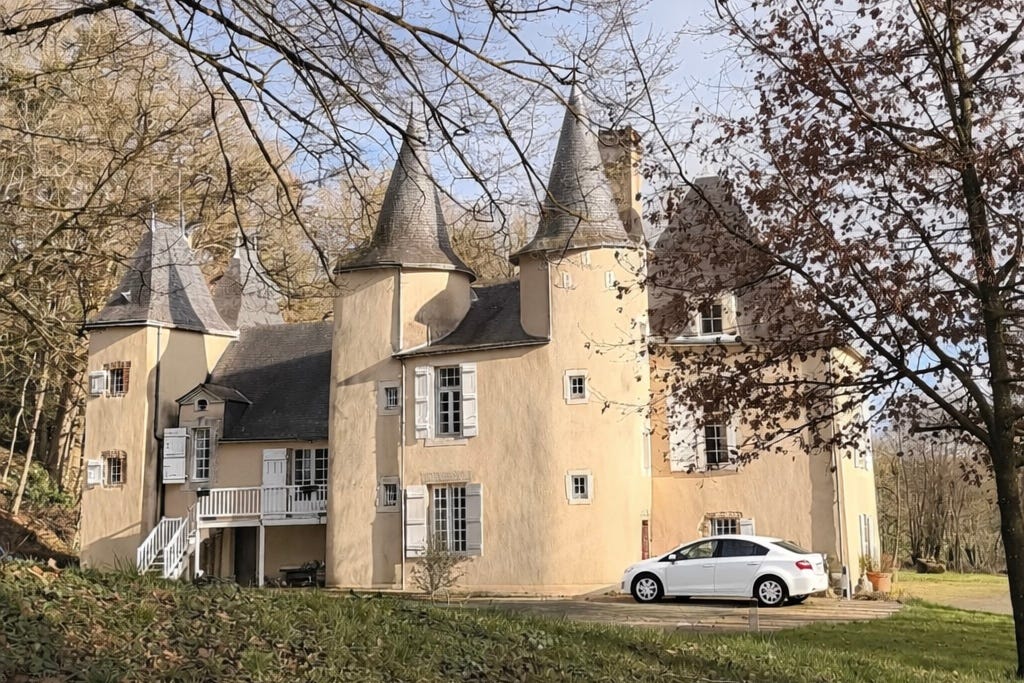
If you’ve ever bought something beautiful and old and then immediately thought, “Perfect. Now I’ll simply improve every part of this at once,” welcome. You are my people.
Because here’s the truth of château ownership so far: it’s not one project. It’s a living organism made of stone, weather, bureaucracy, and a suspicious number of things that can break on a Sunday.
When we moved in, I assumed the early months would feel like a gentle settling-in. A slow walk through the gardens. A few charming discoveries. Maybe a tasteful cup of tea while I studied a planting plan like a Victorian heroine.
Instead, the château handed me a clipboard and said: “Choose your priorities or be consumed.”
So this post is the system we’ve started using to triage our way through the chaos. Not just to get things done, but to stay sane while doing them. Because the list is endless, the weather is moody, and time, it turns out, does not speed up simply because you bought eleven fruit trees.
A note for new readers: we’re an American family restoring a small château in rural France, and I write the story here each week. If you’d like these letters in your inbox, you can subscribe free.
The State of Things: Winter, Blank Slate Edition
We’ve arrived in that particular season where everything looks a bit like a charcoal drawing. No leaves. No flowers. No visual cues. Just tree silhouettes and damp air and the occasional moment of standing in the forest thinking, “Is that an oak, or am I just feigning competence?”
We’ve already done a handful of meaningful things:
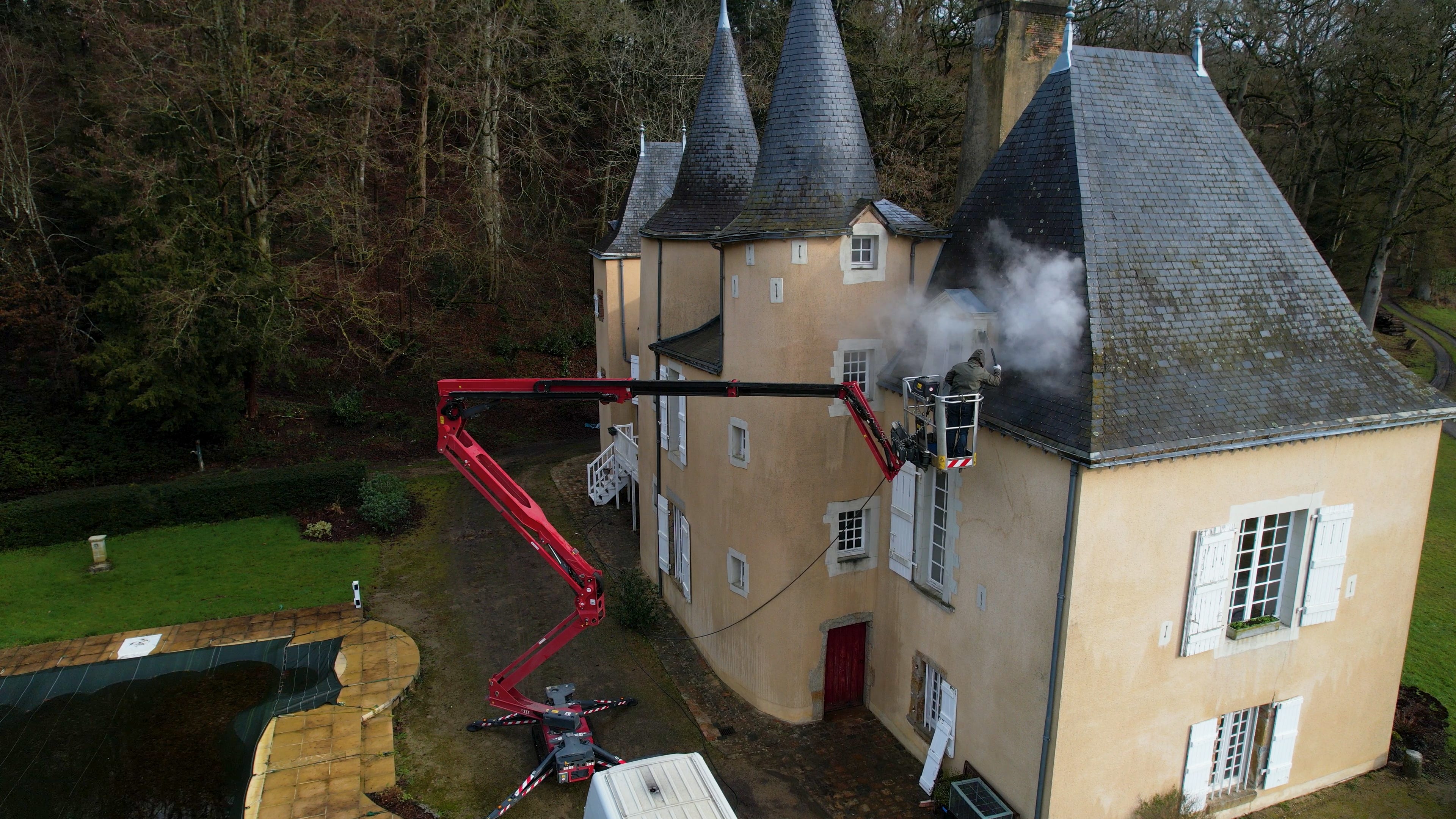
We had the entire façade cleaned, because it was genuinely grimy, and now the turrets look like they’ve rejoined civilization.
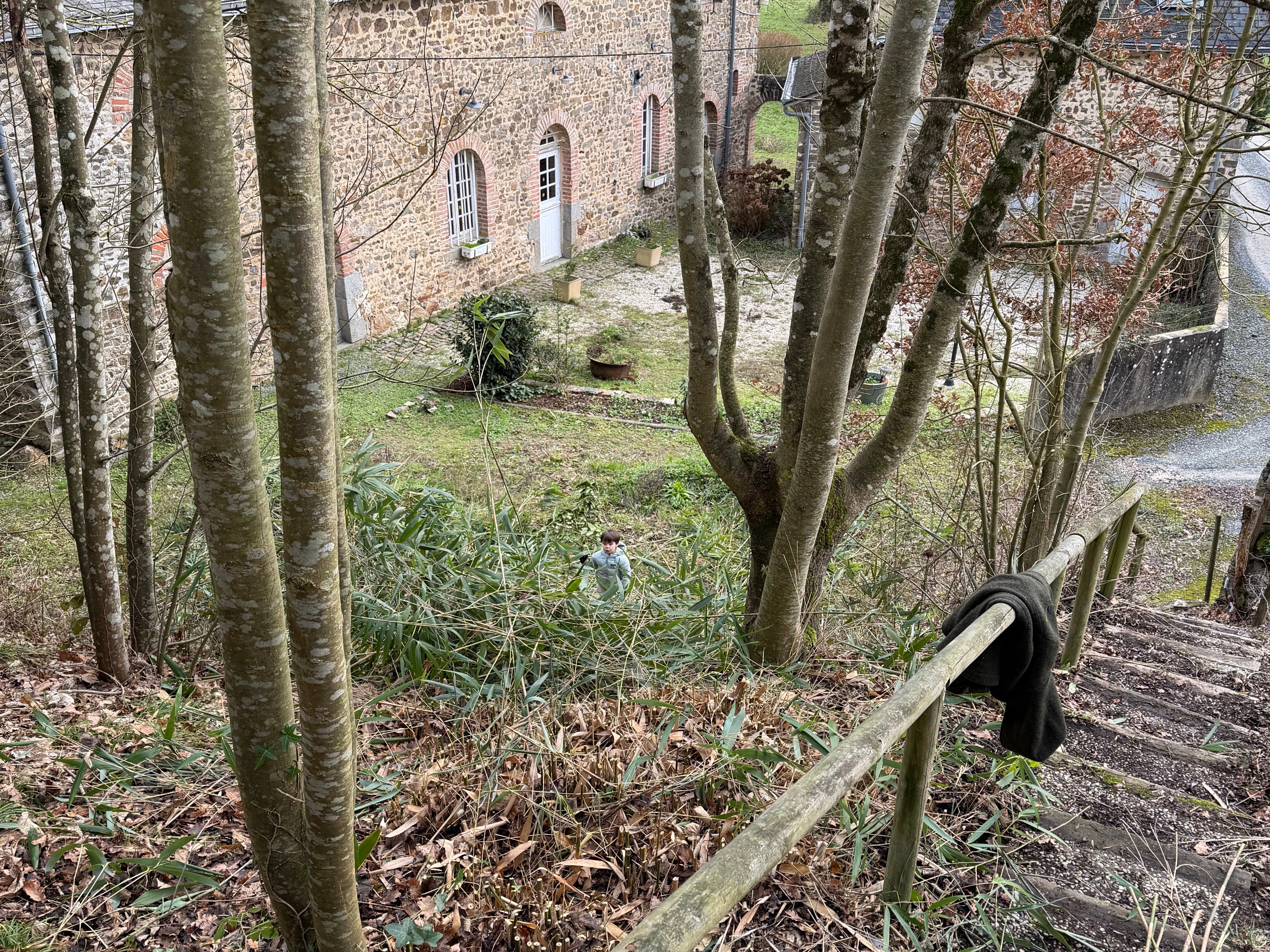
We (achem, my husband and son) planted eleven fruit trees, adding to the three established apple trees already here. Peach, plum, apple, cherry, pear. A tiny orchard with big ambitions.
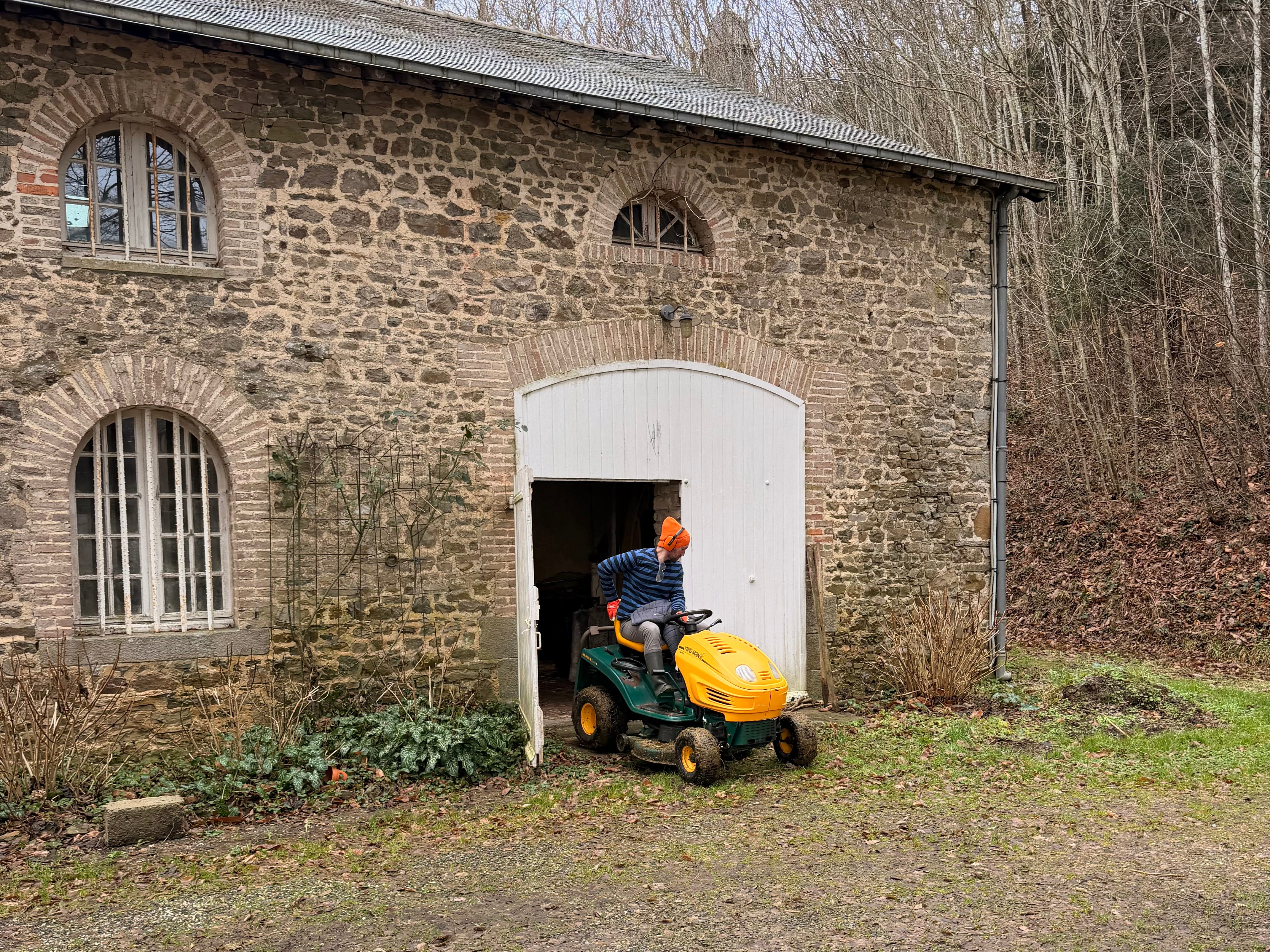
We started clearing: brambles, bamboo, debris piles, and we removed a couple of dangerous dead trees.
We’ve met a surprising number of neighbors, despite the language barrier, and learned that community here is built slowly, in small conversations, and always with some gateaux and alcohol.
We’ve had ongoing heater issues because of course we have.
We met with a pool guy and began the very glamorous process of figuring out pool placement and safety enclosures, which is less “Champagne by the water” and more “How do we keep our children alive while also preserving the vibe?”
We’ve been studying gardening books like people cramming for an exam called: “How Not to Ruin 11 Acres.”
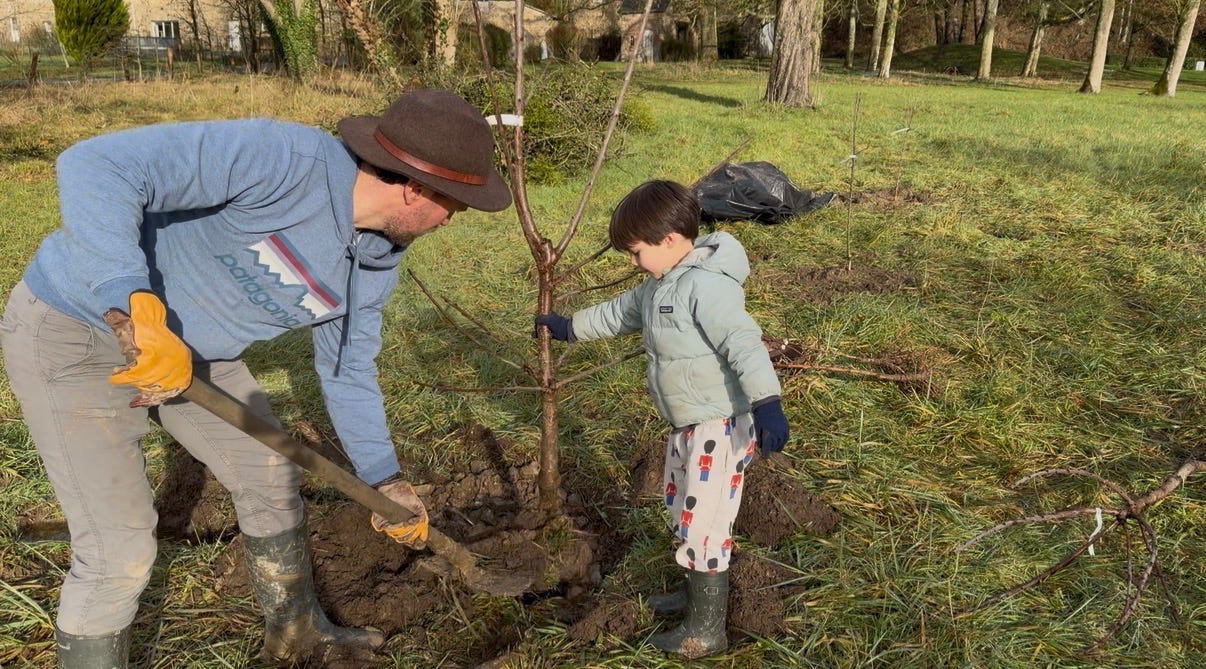
Sean and our little orchard helper, doing the most important kind of work.
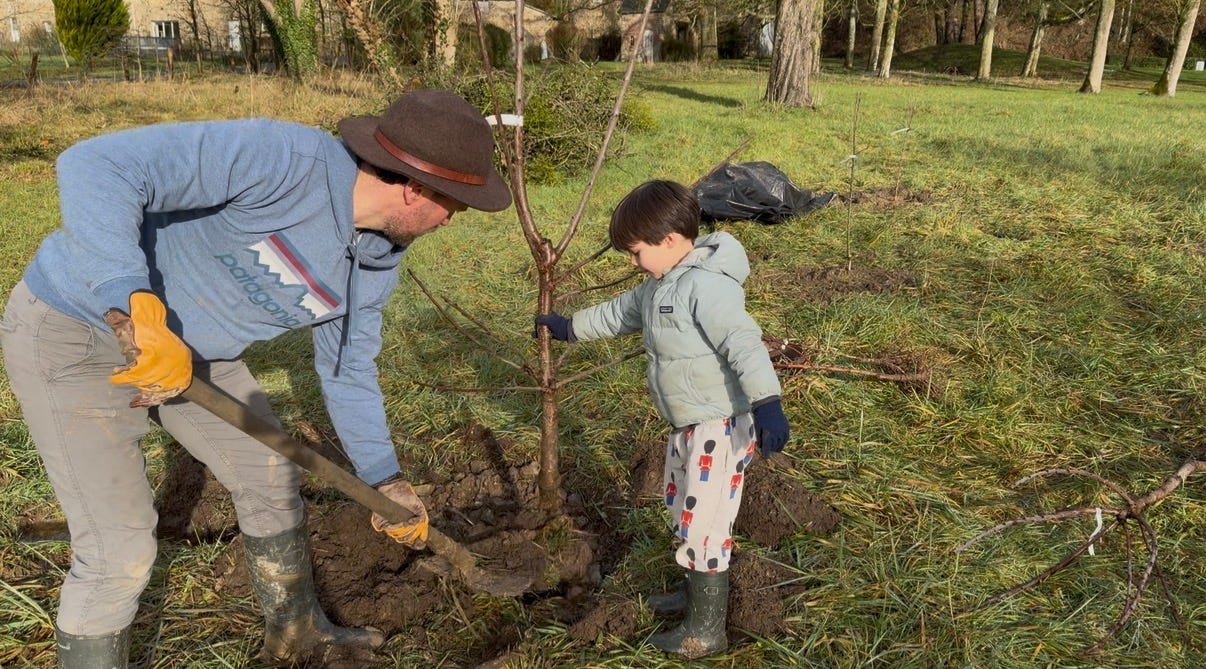
And still, the list grows faster than we can cross things off.
Which brings me to triage.
Why Triage Is the Only Way to Château
When you own a place like this, the temptation is to start with the thing you want most.
The pond.
The fountain.
The new kitchen.
The walled potager.
The ornamental cherry tree that will take five years to become the version of itself you saw in your imagination.
But the château does not care what you want most.
The château cares about order of operations.
It cares about what must happen first, what will make everything else easier, and what will cause you the least amount of regret three months from now when it’s raining sideways and you’re on the phone with a technician trying to explain the concept of “overflowing septic” in your second language.
So we started asking a few very unromantic questions.
And they’re saving us.
The Château Triage Framework
The method we’re using to decide what gets done next
1) Safety First
If it can hurt someone, it goes to the top of the list.
This is not glamorous, but it is the fastest way to avoid expensive disasters and needless drama.
Examples for us right now:
Dangerous dead trees that could fall in the forest or near paths on windy days.
Anything related to pool safety and enclosure planning.
Septic systems, aka the unglamorous underworld, and a replacement that is not optional.
Anything electrical or heating related that could become a bigger issue if ignored.
Safety is the category that quietly protects everything else. It’s also the category most people skip in favor of “pretty,” and then regret later.
2) Keep the House Livable
You cannot restore a château if living in it makes you miserable.
This is where the day-to-day systems matter: heat, water, basic comfort, and the small things that keep everyone regulated enough to continue.
For us, that means:
Stabilizing the heater situation so we aren’t living in suspense.
Creating functional zones in the house so not everything feels like an unfinished project at once.
Slowly making the “core” of the home feel usable and warm, even if the rest stays imperfect for a while.
This is where you become extremely practical and slightly boring, and it pays off.
3) Weather Windows
France has seasons, and certain tasks cannot be forced.
I want to be the kind of person who says “we can do anything!” but sometimes the correct answer is: not in February.
Right now, winter is limiting some of our bigger outdoor dreams. It’s harder to landscape when the land looks asleep and soggy. It’s harder to identify trees. It’s harder to plan what to remove and what to preserve when everything is bare.
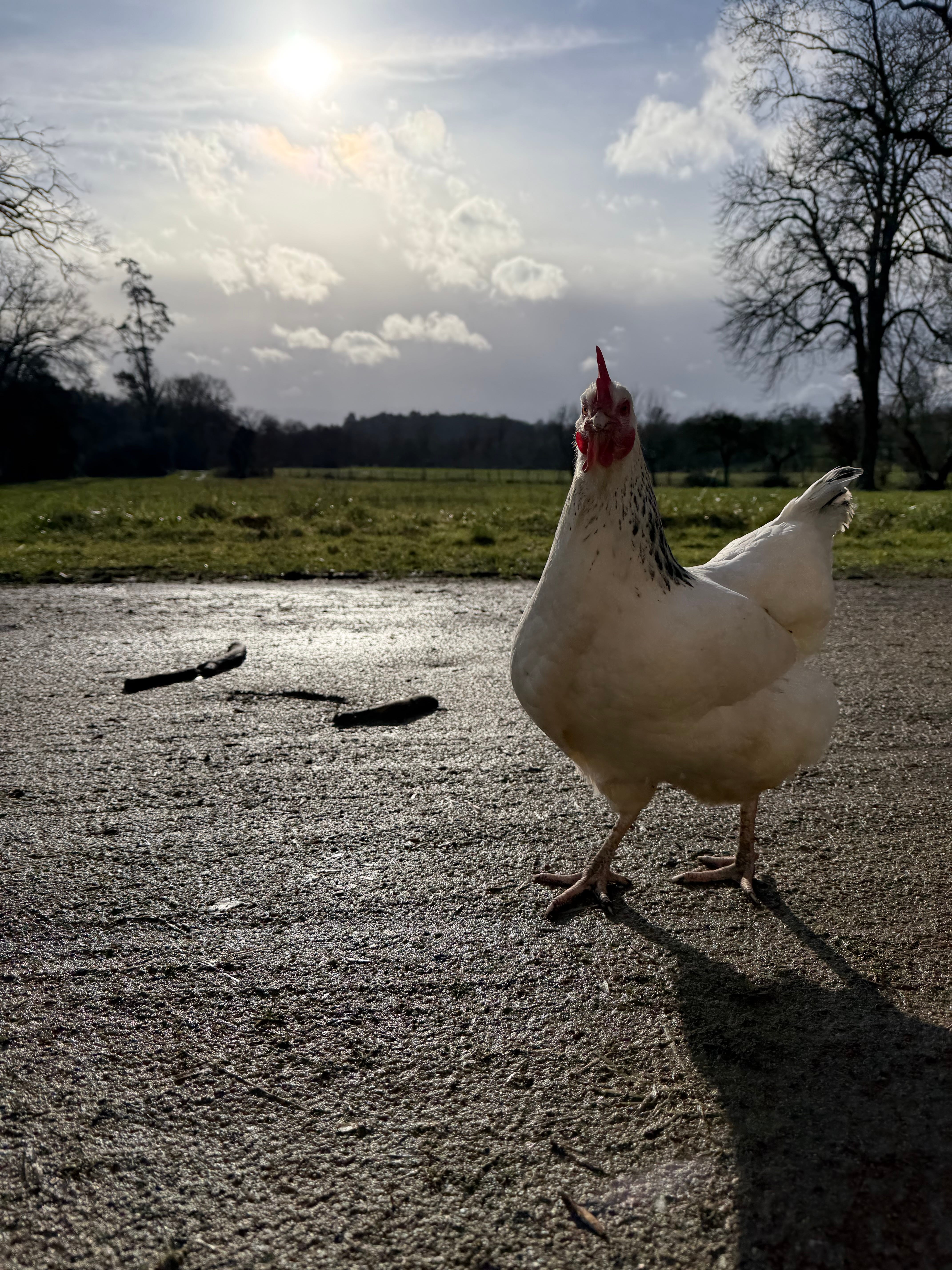
So we’re leaning into winter-appropriate projects:
Planning, mapping, measuring.
Clearing brambles and invasive growth where we can.
Meeting neighbors and learning the human side of the place.
Making decisions that set us up for spring execution.
Winter is not the season for the entire transformation, but rather the season for positioning.
4) “Longest Lead Time Wins”
If something takes years to mature, it deserves attention earlier.
This is the category that surprised me the most, and also gives me mild anxiety.
Gardens take time. Orchards take time. Trees take time (as the saying goes, “The best time to plant a tree was 10 years ago”). Everything beautiful seems to be on a multi-year schedule that does not care about your excitement.
The man at the nursery told me an ornamental cherry might take five years to look truly established.
Five years.
Which is both reasonable and…irritating.
But it’s also why we planted the fruit trees now. Not because we’ll get peaches next month, but because we want to look up in a few years and be grateful we started.
This category includes:
Planting trees.
Establishing the potager plan.
Any long-term landscaping and ecosystem work.
The forest restoration vision.
Even if the results are slow, the starting matters.
5) Revenue Projects
If you want this château to become sustainable, you need at least one project that starts paying for the others.
For us, that likely means the coach house.
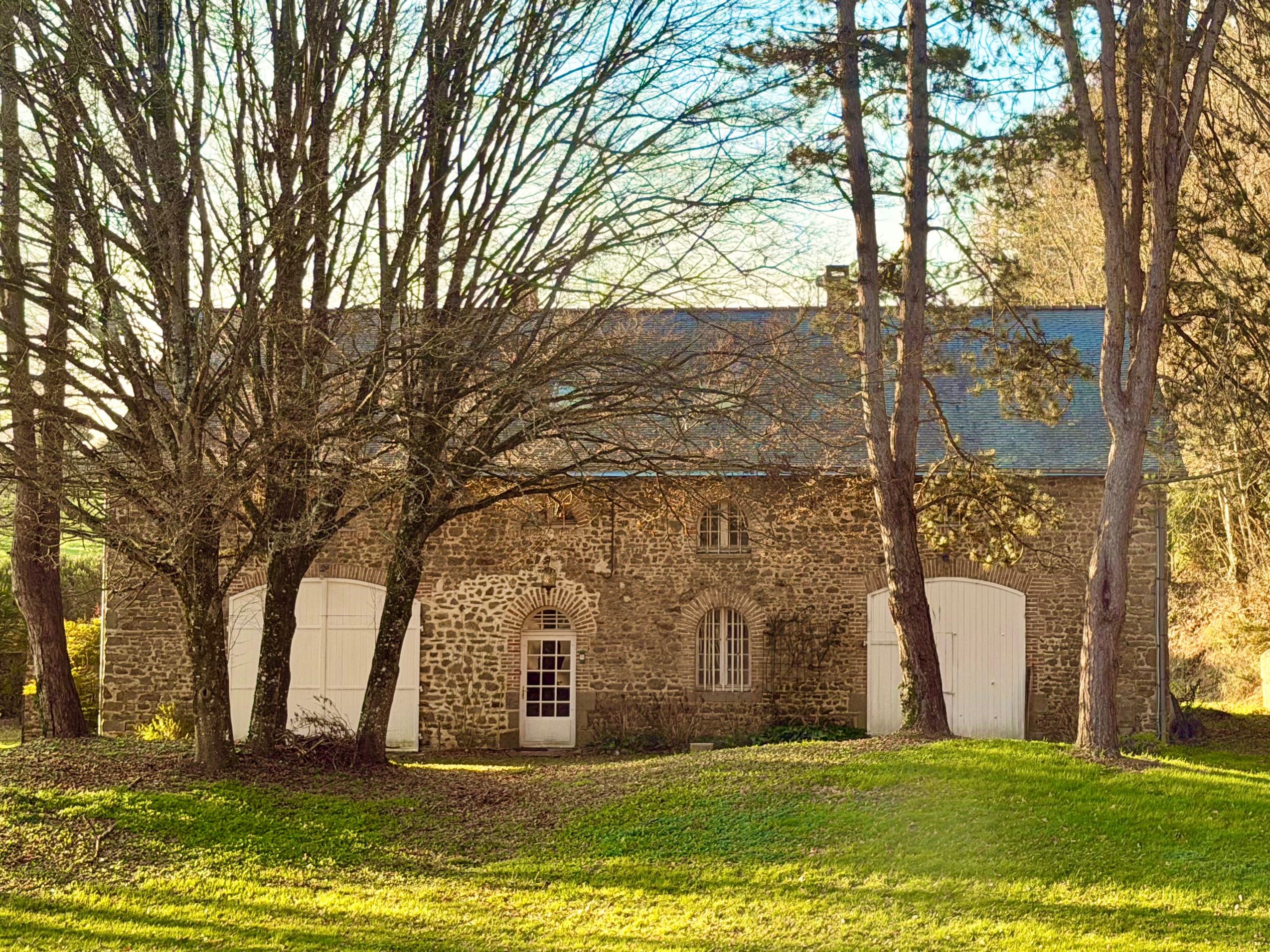
We love the romantic projects, but we’re trying to be smart (trying). Getting one outbuilding ready to rent creates breathing room. It helps fund the next phase, and it makes the whole thing feel less like a beautiful financial bonfire.
So while we want to start everything, we’re asking:
What can we finish first?
What has the clearest path from “work” to “income”?
What will make the project more sustainable long-term?
So yes, the coach house is calling.
6) The “Heart Projects”
These are the projects that keep you emotionally invested.
Because if every week is pipes and paperwork, you will lose your mind.
Heart projects are small, visible wins. They’re the things that make you feel like you’re actually building the dream, not just maintaining a crumbling relic.
For us right now:
The orchard.
Any small garden shaping.
Pool planning.
Clearing a path in the forest.
Even choosing future fountain locations, because it’s a form of hope.
These do not always need to be practical. They need to be motivating.
Our Triage, in One Glance
What we’re prioritizing right now, in real time
Top Tier: Must Not Ignore
Fixing the heater situation so the house is reliably livable.
Continuing safety clearing in the forest and on the grounds.
Pool planning, including safety enclosure decisions, because that affects timeline and placement.
Second Tier: Set Up Spring Success
Winter mapping and identifying: where are the paths, what’s growing where, what feels like the “natural” zones of the property.
Continued clearing of brambles and invasive plants.
Neighbor conversations and learning local wisdom (because locals always know what works here).
Third Tier: The Big Dream Projects
Coach house renovation planning with a goal of summer readiness.
Kitchen garden direction and design, including the eventual wall.
Longer-term garden plan and where we want the major “moments” to be: pond, fountain, orchard expansion, wildflower areas, forest restoration.
And hovering over everything: patience.
Because if you rush an old house, it will humble you on principle.
The Emotional Part (Because It’s Real)
There is something uniquely humbling about owning land that will outlive you.
It changes the way you think. It nudges you toward stewardship instead of aesthetics. Toward decisions that are less “what’s pretty” and more “what lasts.”
But if I’m being honest, this whole patience and practicality approach does not come naturally to me.
I am not a naturally patient person. I am a “let’s do it now, while the spark is bright” person. I love momentum. I love the feeling of making something beautiful quickly, dramatically - everything, everywhere, all at once.
And there’s this other layer, the one I don’t always care to admit, which is time.
Not in a panicky way every day, but certainly in a persistent way. Our kids are small right now, which is the entire point. I want them to grow up inside the finished versions of these dreams, not just the planning phase. I want the treehouse built while they still think treehouses are the height of civilization. I want the garden to be established while they still want to pick berries and “help” and run muddy through the paths.
And Sean and I are not spring chickens either. We want to enjoy this. We want to have the energy and vitality for the good parts, not just the logistics. I do not want to look up in ten years and realize we spent their whole childhood making lists and fixing electrics.
So yes, the dream makes you slow down. But it also makes you feel urgency.
That tension is real, and it’s basically the emotional heartbeat of this project.
You cannot do everything at once.
Not if you want to stay married. Not if you want to stay healthy. Not if you want your kids to remember this as magical, not stressful.
And that’s the point of triage.
Not to make the dream smaller, but to make it possible, in the right order, with enough breathing room that we can actually enjoy it as we go.
What Comes Next
If you’ve been following along, you know we’re in the early blank-slate phase.
The turrets are freshly cleaned. The orchard is newly planted. The forest is still a mystery. The pool is still a question mark. The heater is still occasionally auditioning for the role of villain.
But we’re learning how to choose.
And I think that might be the real work of restoring a château. Not just stone, paint, or gardens, but the decisions, the order. The discipline of doing one thing well before you run off to start twelve more.
More soon 💫
-Kamille
A note for new readers: we’re an American family living in rural France, restoring a small château, and writing it all down here.
If you want the next chapter, subscribe free. If you want the deeper, twice-monthly unfiltered letters, and to follow our chateau renovation, you can upgrade.
Such an interesting posting Kamille, so honest and personal; a post taking your readers along for the journey when romance meets realities. We also imagine writing this post was good therapy.
What a difference the exterior cleaning made. To be honest when we saw your previous posting's photo - with the chateau all clean and shiny, we thought you used AI to get rid of the mold and mosses. But you did it! Check one box. It looks fabulous!
You’ve got this 🙏 as you said, one thing at a time! When Spring comes, it will be much easier and I’m so looking forward to it for you, discovering hidden plants and flowers in the garden! (It did to me in my small london garden, can’t imagine in yours!) 🙏