


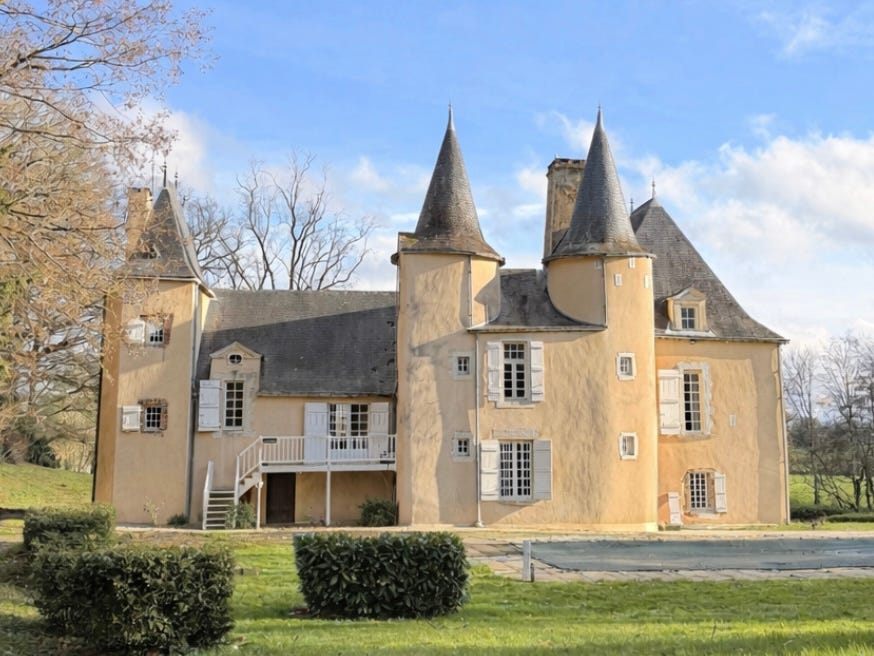
Since I was a little girl, like most little girls, I dreamed of living in a fairytale castle one day.
Not in an “I will definitely do this by age 30” kind of way. More in the way you dream about becoming a mermaid, or owning a pet fox. A childhood fantasy you love, but don’t really expect to materialize into your adult life.
And yet, here we are.
If you’re new here: we’re an American family who moved from California to France a little over two years ago with two young children. My husband was completely on board with this dream, which is still, to this day, one of the most romantic things about him. When we first arrived, we made a decision that felt unglamorous but turned out to be everything: we rented first.
We could have tried to buy something quickly, right away, with the intensity of people who have just discovered French stone walls and lost all reason. But we wanted a real lay of the land. We wanted to understand the regions, the pace, the people, and whether we actually wanted to put roots down here. So we rented a farmhouse on the grounds of a château.
And not just any château. The kind of place that feels like it should come with a staff, a string quartet, and a person whose job is simply to walk around handing you letters sealed with wax. It had everything: outbuildings, stables, an orangery, a river, fountains, an enormous walled garden, bridges, orchards, and a private forest that went on for what felt like miles. At first, that was the dream.
But then we lived next to one, and reality arrived wearing muddy boots and carrying a spreadsheet.
The Reality Check We Didn’t Expect
The first thing living on château grounds teaches you is this: beauty is not free. Not the kind of beauty that comes with roofs, gravel drives, drainage, endless tree maintenance, stonework, and heating systems that behave like moody aristocrats. The second thing it teaches you is that the reason people sell these properties is often very simple. They cannot keep up anymore.
On viewings, we heard a variety of stories, but the theme was consistent: it’s too much, or it’s too expensive, or it’s too hard without help. Châteaux were built for a world that came with full staffs, inside and out. Downton Abbey style. But that kind of living slowly faded, and now a full-time staff is something only the ultra-wealthy can maintain without blinking. So many properties end up in limbo: inheritance disputes, families scattered to Paris for work, children who love the château but cannot afford to run it. Grand buildings with nobody to hold them up anymore.
That was our first major pivot. We still wanted a château. We just wanted one we could actually live in and care for, without becoming exhausted caretakers of a dream that was quietly eating us alive.
Also, a small but important thing about château shopping in France: the listings are endless. Truly endless. At any given time there are hundreds, maybe thousands, for sale. You could search forever, and honestly, it would be a lovely way to lose an entire decade. They’re all beautiful in their own way. They’re all slightly different. And even after you choose “the one,” you’ll keep seeing new châteaux pop up and feel a brief pang of longing, like you’ve just walked past a particularly handsome stranger.
At some point, you have to stop scrolling, choose your criteria, and commit. Otherwise château hunting becomes less of a search and more of a lifestyle.
The Part Nobody Tells You About “Château Prices”
There’s a moment when you first start looking at château listings, especially if you’re coming from Los Angeles or London, where your jaw hits the floor. 1.2 million euros in France can buy you a real estate fantasy: acres of land, outbuildings, maybe a pool, maybe an orangery, maybe enough rooms to lose a family member for days. Meanwhile, in Los Angeles, that same number might buy you a condo, or a small house with a small yard, depending on the neighborhood.
So at first, it looks like a steal. Then you start learning what comes with the price tag that is not on the listing.
Notaire fees are stacked on top of the listing price, and they are not small. Then there are the ongoing costs: insurance, taxes, heating, utilities, upkeep. And most older châteaux need upgrades at some point, whether it’s plumbing, electrical, roofing, drainage, or insulation. France pays workers fairly, which I genuinely respect, but it also means restoration is real money, and you need to be honest about what you can take on.
And then there are the hidden “yes, but” details that you only discover once you start asking questions.
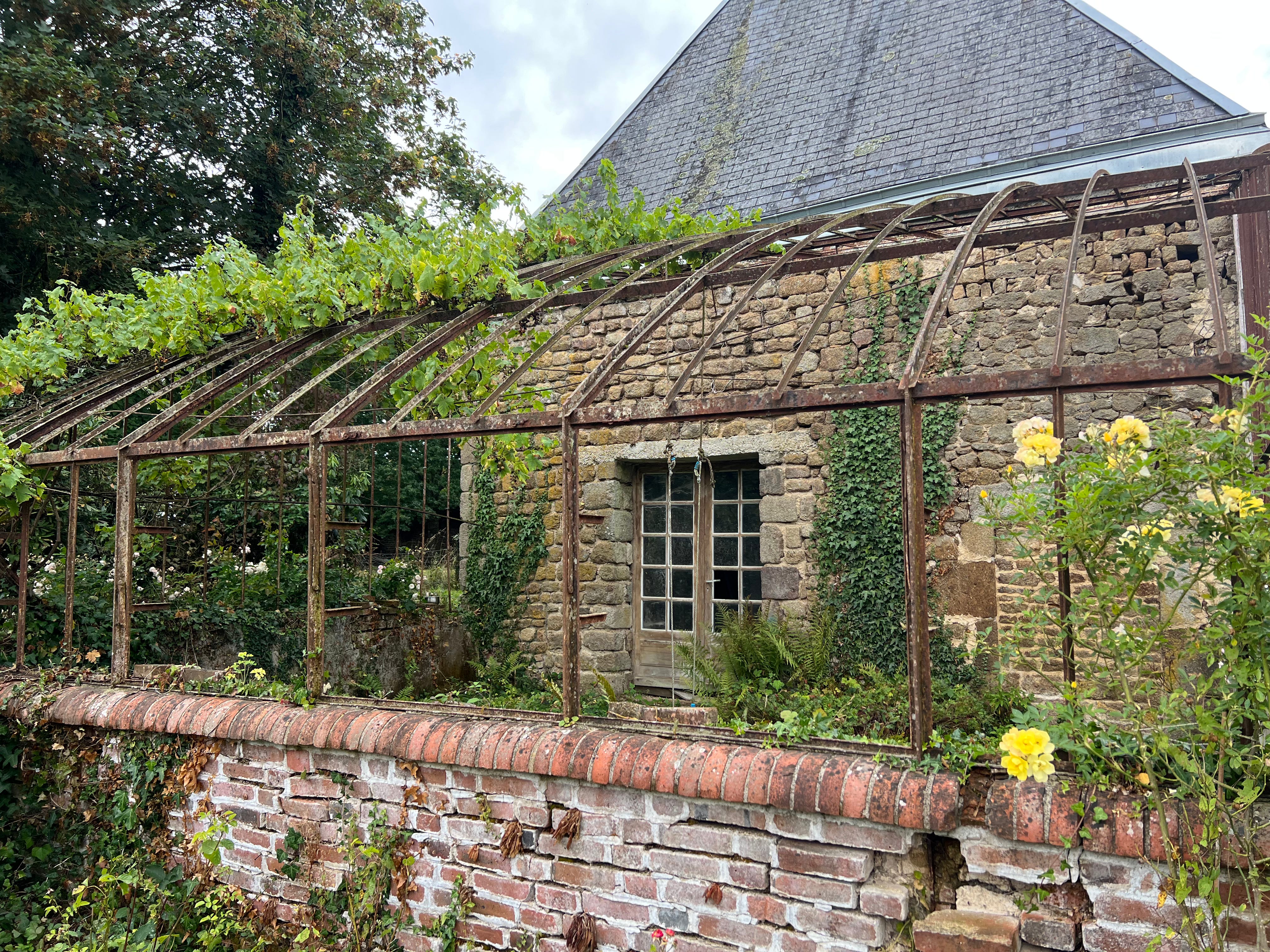
One château we visited was painfully romantic. Beautiful stonework, a stunning orangery, and even an abandoned greenhouse with rose vines climbing in and out of missing glass panes, practically begging to be restored. The château overlooked a gorgeous lake. It was the kind of place where you start speaking in future tense too early.
Then the realtor said, almost casually, that the large field between the château and the lake, the big sweeping front yard that made the whole place feel like a painting, was rented by a local farmer. We nodded politely, assuming he meant for the season. No. It was a longstanding contract. A very French contract. The kind where you “own” the land, but you also absolutely do not.
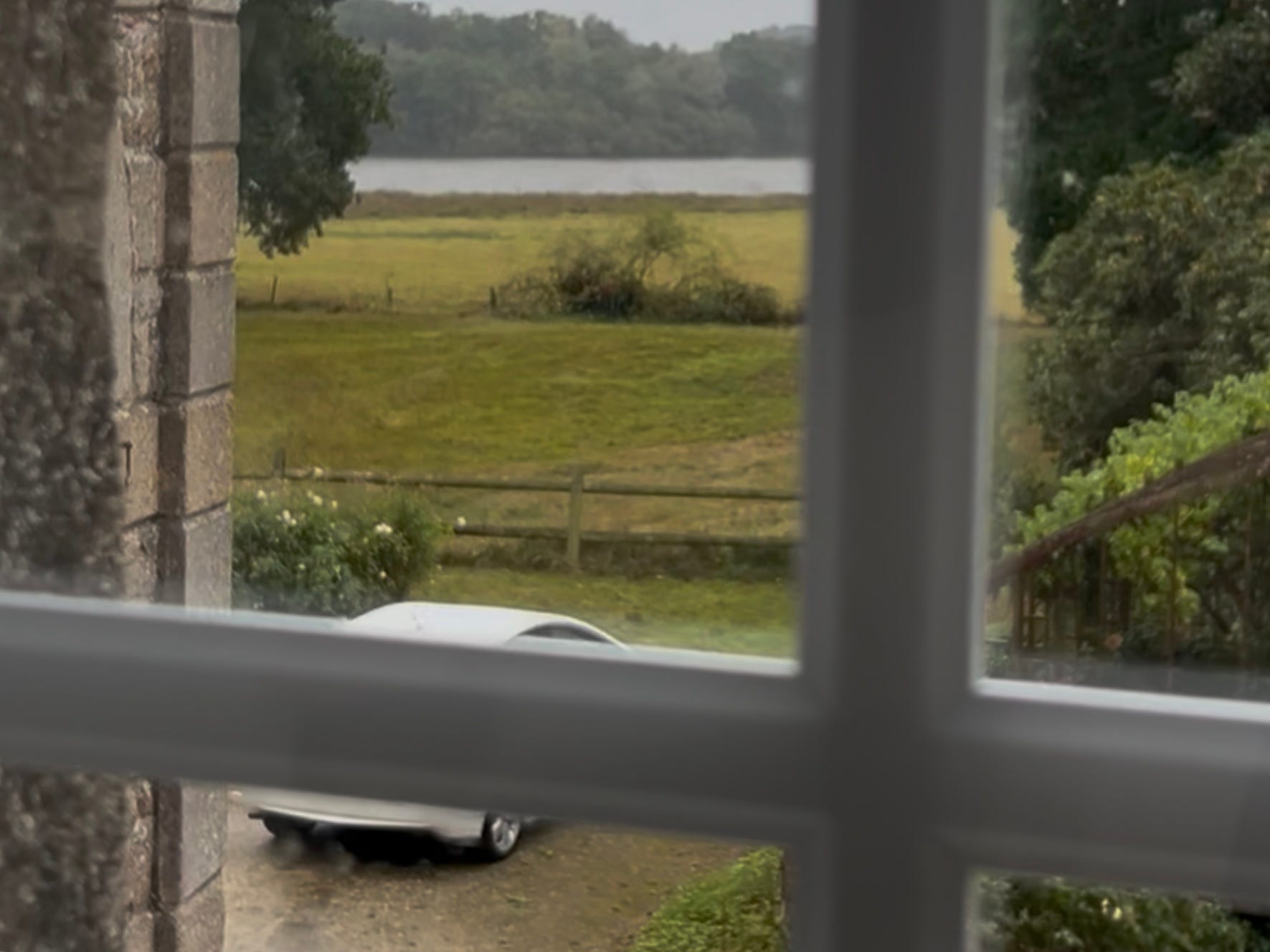
We asked when it ended, and he said it ends when the farmer dies. Then he added, almost as a footnote, that these contracts are often passed down to the farmer’s children, and the owners cannot end them early. So you buy the lakefront château, and then you watch someone else use your lakefront land indefinitely. The price was starting to make more sense.
That was the moment we really understood something: château listings can look like bargains until the fine print starts quietly revealing itself.
We’re Cottage People in Castle Clothing
Here’s another thing we didn’t expect. During our time living on château grounds, we fell completely in love with the farmhouse. Its cottage feel. Its warmth. The way a single candle made it feel cozy rather than theatrical. It made us question whether we really wanted something grand.
We have always been more cottage people than palace people. Think the Weasleys’ house rather than Malfoy Manor.
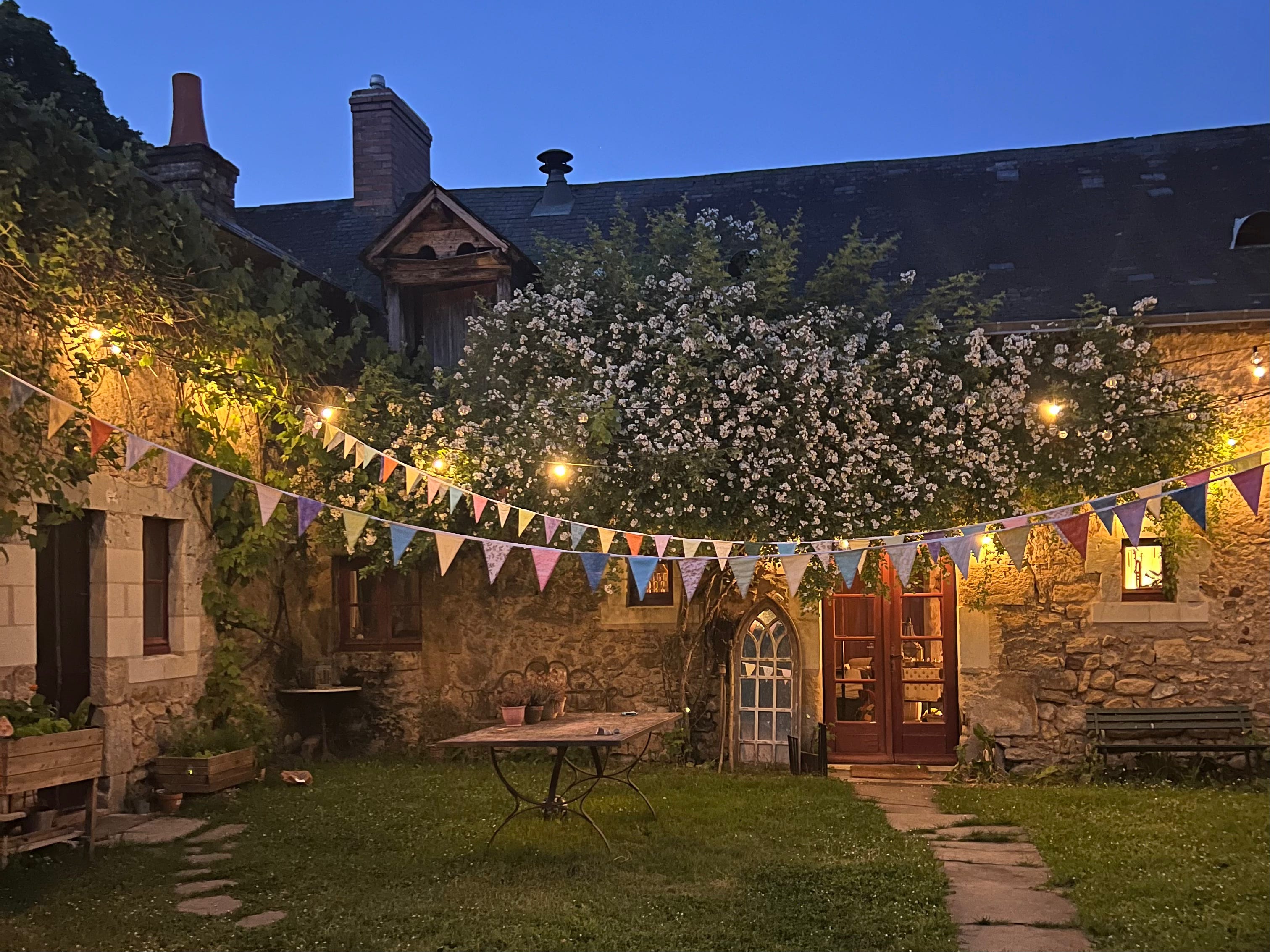
Many of the châteaux we visited were stunning, but had a slightly cold energy. Not just because of the insulation, but because of the layout. Classic châteaux tend to be segmented: central hall, grand salon, separate dining room, bureau or library, separate kitchen. It’s romantic. It’s historical. It’s also not how our family lives.
We did not want to be spread out in separate wings, raising our children like tiny aristocrats who communicate via shouted messages and lost socks. We wanted warmth and togetherness. A space where our life could feel connected.
And we wanted manageable. Not small or easy, just…possible.
We kept returning to one question: what can we care for without losing ourselves? And a second question, the one that really mattered: what will not feel like a burden to our children someday?
Our Non-Negotiables (Yes, Including Towers)
Once we got honest about what we actually wanted, our list became surprisingly specific. We wanted to stay within about 1.5 hours of where we were renting, because we love the region and we’ve built real friendships here. We did not want to be too far from Paris, because travel and culture matter to us, and we wanted ease of transportation. We did not want a classified château. The restrictions can be intense, and we wanted the freedom to customize our home.
We wanted water: a river, a stream, a pond, a lake. Something nearby. We wanted a lot of light. Some older châteaux have thick stone walls and fewer windows, which is historically authentic but can be quite dark. That was a deal-breaker for me.
We wanted privacy, trees, and not to be on a main road. We saw one beautiful château that ticked many boxes, but it sat beside a busy road, and the noise and safety concerns killed the dream instantly.
We wanted a chapel. We wanted a forest. We wanted at least two outbuildings for future guest stays. And yes, I wanted towers. I realize adult women are not supposed to have tower requirements, but if you’re going to do the castle thing, you might as well do it properly. I wanted at least two towers, and I wanted them Goldilocks-style: not too fortressy, not too thin, not too fake.
The One That Felt Like Home
And then we found it. It ticked every box, which was so rare it felt suspicious.
It has the two fairytale towers. It has a river. It has a forest with trails. It has a chapel tucked into the woods. It has the right number of outbuildings, enough to dream, not so many that you feel doomed. It has a lot of windows and natural light, which was one of our biggest non-negotiables. It also has a more open main living area, which is unusual in châteaux and instantly made us feel like we could live here as a family without being scattered.
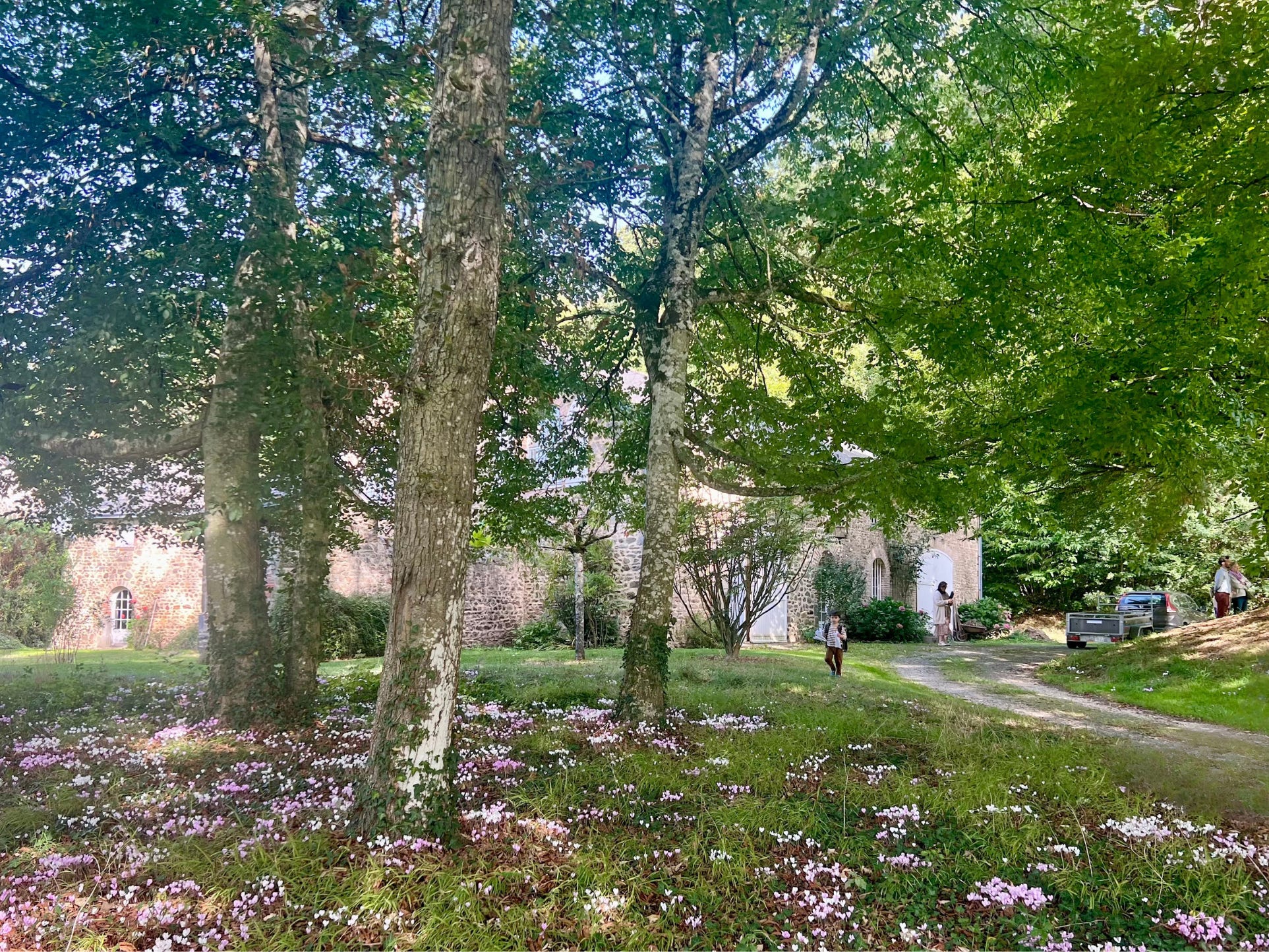
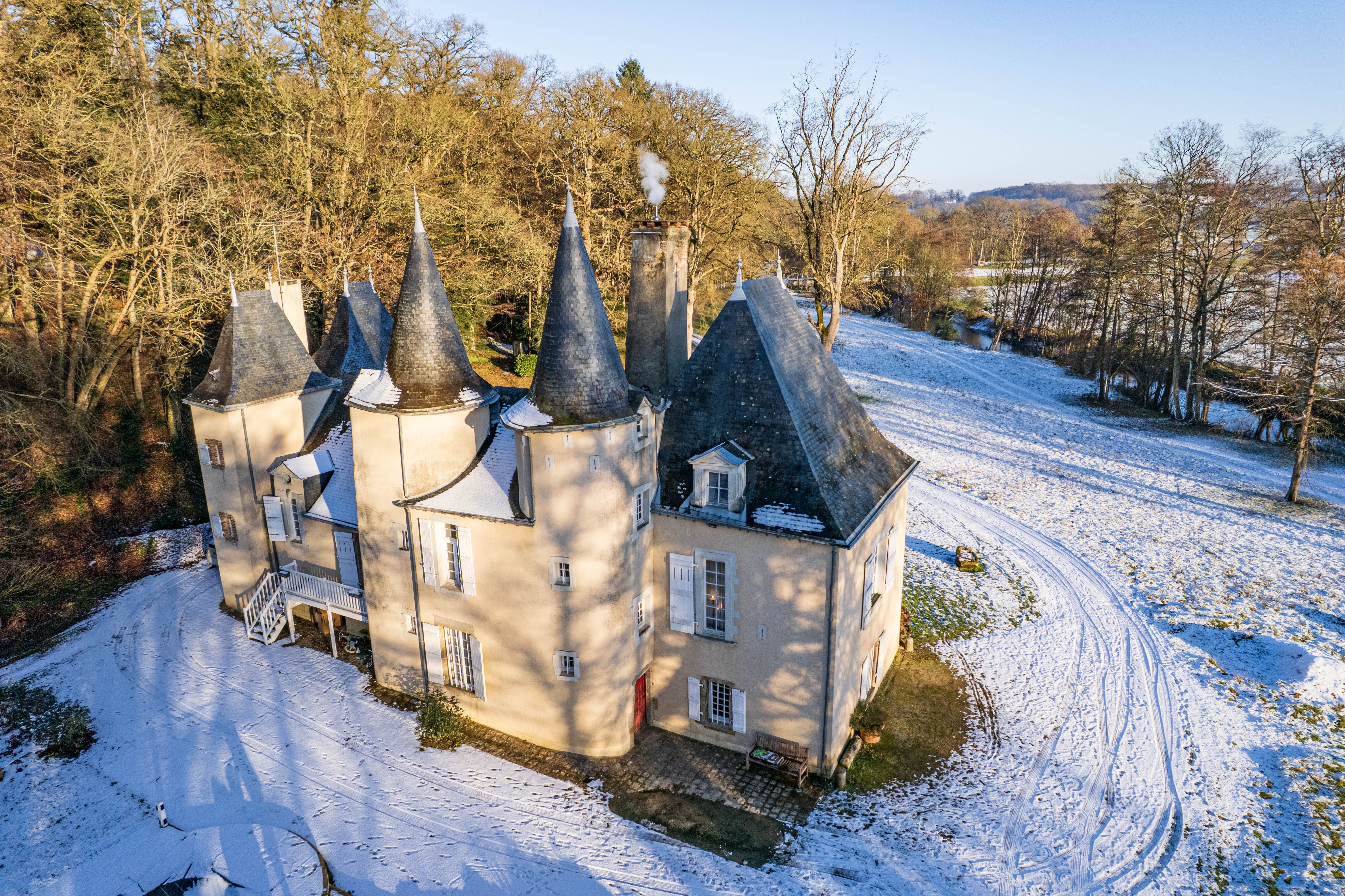
It’s quiet. It’s private. It feels like a home, not a museum. We weren’t buying a showpiece. We were buying a place we could raise our children in, renovate slowly, and still like each other at the end.
The only thing it didn’t have from our list was a walled garden, but we’re already planning to create that ourselves by building a wall around the kitchen garden.
Now we’re planning renovations, learning the rhythm of the property, and slowly stepping into what it means to bring a place like this back to life. Not quickly. Not perfectly. But thoughtfully.
And I cannot wait to share the next chapters with you.
More soon 💫
-Kamille

For paid subscribers, the companion Castle Diaries is up, with photos and notes from each viewing. If you’re not paid yet, you’ll see the option to upgrade when you click through 👇

“And yes, I wanted towers. I realize adult women are not supposed to have tower requirements, but if you’re going to do the castle thing, you might as well do it properly. I wanted at least two towers, and I wanted them Goldilocks-style: not too fortressy, not too thin, not too fake.” 🥰