


Two years ago, my family and I left California and moved to a small village in France.
We came for the lifestyle: slower pace, deeper roots, fresher bread. What we didn’t expect was how many subtle cultural codes we’d have to learn to feel at home.
One of them came in the form of a phrase I wasn’t prepared for.
Il oublie vite.
He forgets quickly.
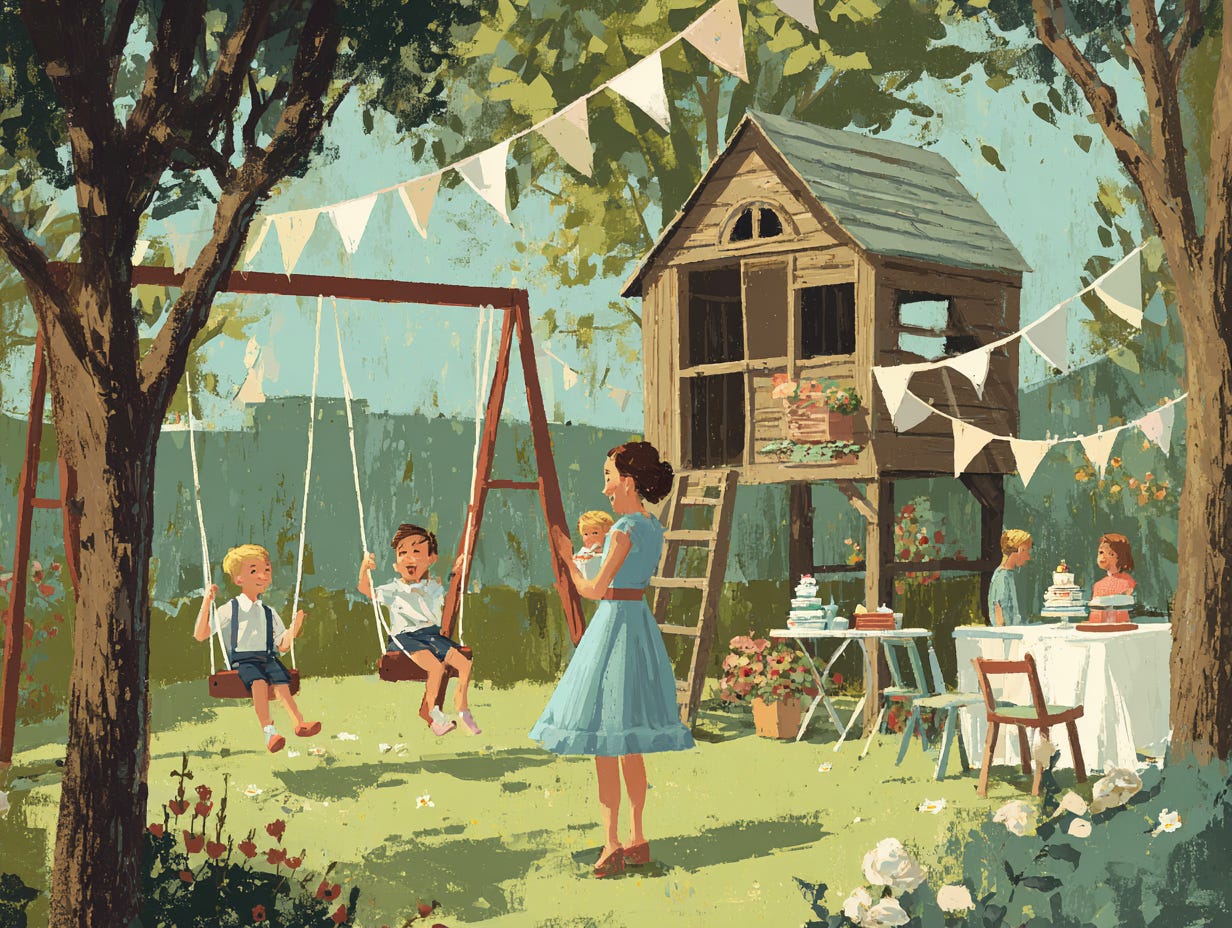
The first time I heard it was at my son’s fifth birthday party - a sunny afternoon in our French backyard, filled with cake crumbs, chaos, and questionable decision-making. He and his best friend got into a heated debate over whose turn it was on the swing. Negotiations failed. Emotions flared. And in a moment straight out of a 1950s melodrama, my son dumped a Dixie cup of water onto his friend’s shirt like it was a final act of betrayal.
I was horrified. I sprinted over, already composing my apology in broken French, tripping over verb tenses and shame. The boy’s mother had arrived too, and as I panicked through my “Je suis désolée” monologue, she waved it all away with a small smile and said, simply:
“C’est pas grave. Il oublie vite.”
It’s not serious. He forgets quickly.
At the time, I took it at face value. It felt kind. Forgiving. The French version of “no big deal.” And in that moment, it was exactly what I needed - a gentle cultural permission slip to let it go.
But the more I heard that phrase, in different contexts and tones, the more I realized: il oublie vite doesn’t always mean “don’t worry.” Sometimes, it means he moved on. And not always in a good way.
The Emotional Weight of Forgetting
In French, understatement does the heavy lifting. And il oublie vite might be one of the most deceptively heavy phrases I’ve ever encountered.
It can mean:
He was never really invested.
He moved on too fast.
He let go of something I’m still holding.
Maybe he never cared at all.
Or sometimes, it means exactly what it says - with no bitterness, just a quiet acknowledgment of the way time and people move on.
Tone is everything. Il oublie vite can be:
Dismissive: He’s shallow.
Wistful: I wish I could forget like that.
Melancholy: I still remember.
Admiring: He knows how to move on.
It’s not a statement, but rather a mirror. It reflects the speaker more than the subject.
France: A Country Torn Between Memory and Forgetting
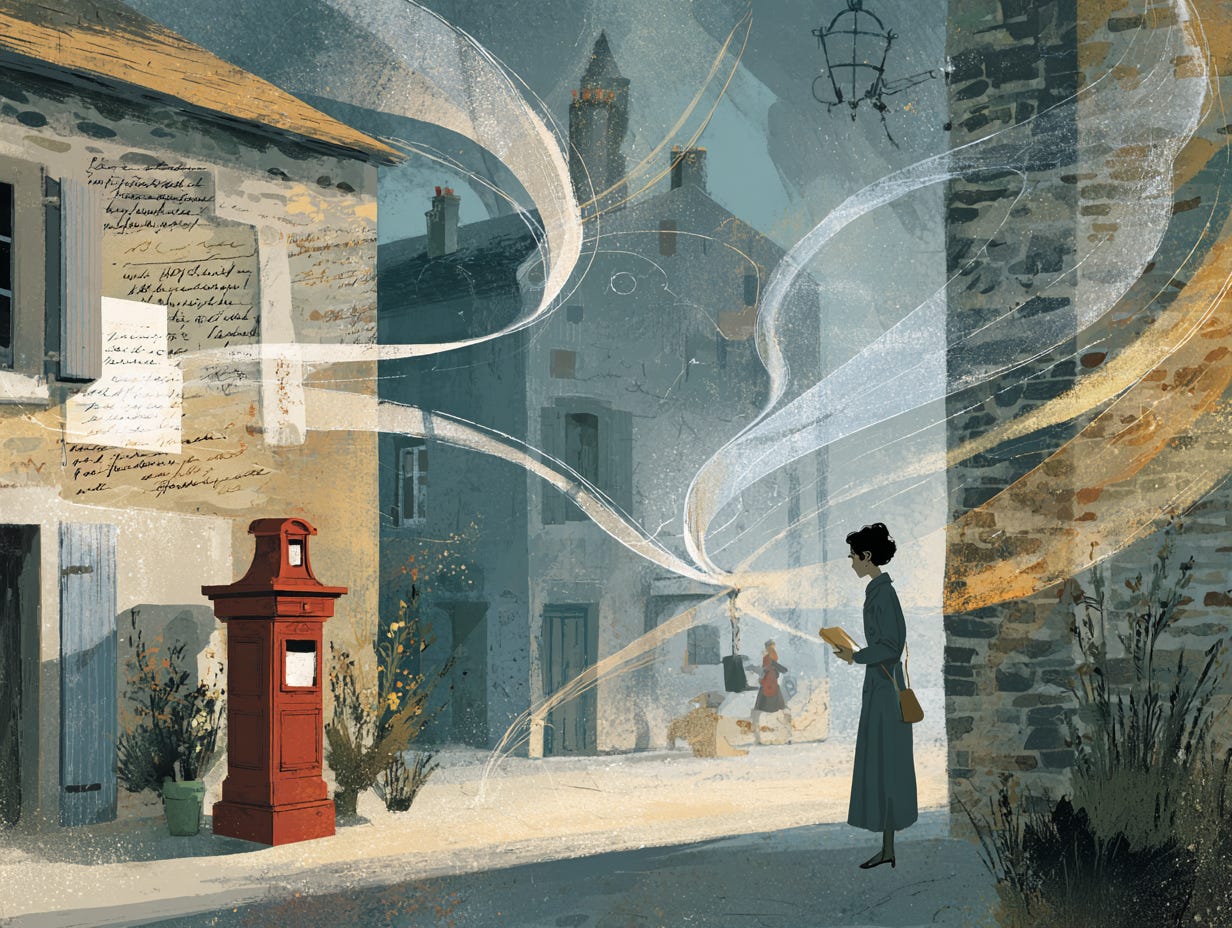
France is full of contradictions when it comes to memory. It’s a country that worships history…and also quietly forgets.
There are plaques on stone walls here that say, “We remember.” And yet in conversation, you hear on oublie vite often. We forget quickly.
There’s a deep cultural respect for the past. But not necessarily for clinging to it.
The cultural code of il oublie vite doesn’t just exist in theory, it shows up in Proust, in the American obsession with reinvention, and in the way my children are quietly being shaped by growing up here in France.
I’ll share how this phrase shifted the way I think about memory, love, and what it means to hold on.
Unlock the rest of this essay, and join me for weekly reflections on French life, culture shock, parenting abroad, and the magic of slowing down.
Subscribe to read on ✨
