


When my family and I left California and moved to the French countryside, I knew some parts of our lifestyle would change. I expected the slower pace, the charming chaos of renovating a centuries-old home, the language hurdles, and the rain (so much rain). What I didn’t expect was to be publicly corrected by a French schoolteacher over a Tupperware container of fruit, cheese, and a lovingly halved sandwich.
It was our first week of school. We had just dropped off our two children at their new French primary, a petite stone building nestled behind the village Mairie like something from a watercolor painting. I was feeling quite proud of myself. I had packed snacks. Healthy ones. Almonds! Organic grapes! Protein!
At pickup, the teacher pulled me aside and held out the snack containers like evidence. “You do not need to pack lunch,” she said gently. “We serve lunch here at school.”
“Oh,” I explained, “that was just a snack.”
She paused. Blinked. Then, in that beautifully direct French way, she said, “We do not do snacks here. We used to, but the government stopped it. They were afraid the children would get too fat.”
No shame. No side-eye. Just a calm, firm rejection of the entire American parenting approach I had internalized over the last six years.
Let Them Be Hungry
Here’s the thing: The French don’t snack. Not really. It’s not just some charming cultural quirk; it’s a fundamental difference in how they approach food, appetite, and the rhythms of daily life. Meals in France are more than just a time to eat. They’re rituals. Anchors. Moments of pleasure and pause.
It’s one of the reasons France has one of the lowest childhood obesity rates in the developed world (second only to Japan). When French people sit down to eat, they’re actually hungry. And because they haven’t spent the afternoon grazing, they savor their meals.
The meals themselves? Not large. Yes, there may be multiple courses, but the portions are reasonable. A little starter (salad, soup, a slice of quiche), a main course (often protein-forward with vegetables), and a bit of cheese or fruit after. Maybe a tiny square of dark chocolate. No overflowing plates, no seconds.
Dinner isn’t a rushed affair where everyone eats on different schedules while scrolling their phones. It’s set with intention: candles, proper plates, conversation. The food might be simple, but it’s elevated through ritual.
Except for Apero
Now, let me not mislead you. The French do have one glorious exception to this no-snack rule: l’apéro.
Short for aperitif, this pre-dinner tradition is basically a mini social gathering with drinks and small bites. But don’t be fooled. Apéro is not about satisfying hunger. It’s about connecting. It’s about slowing down. You pour a glass of wine, serve some olives, maybe a few slices of saucisson, and you linger. It’s elegant. It’s expected. And it tides you over until dinner (which is often at 8pm or later).
It works because meals in France are well-spaced. There is no need to reach for a protein bar or snack pouch. Apéro lives in the sweet spot between structure and pleasure, never tipping into chaos. It is not a free-for-all. It is not Goldfish crackers in the car.
The Sacred Gôuter
There is one other sanctioned exception, reserved for children: le gôuter, the afternoon snack served after school. But again, this is not a freeform graze-fest. It is specific, often nostalgic, and delightfully carb-forward.
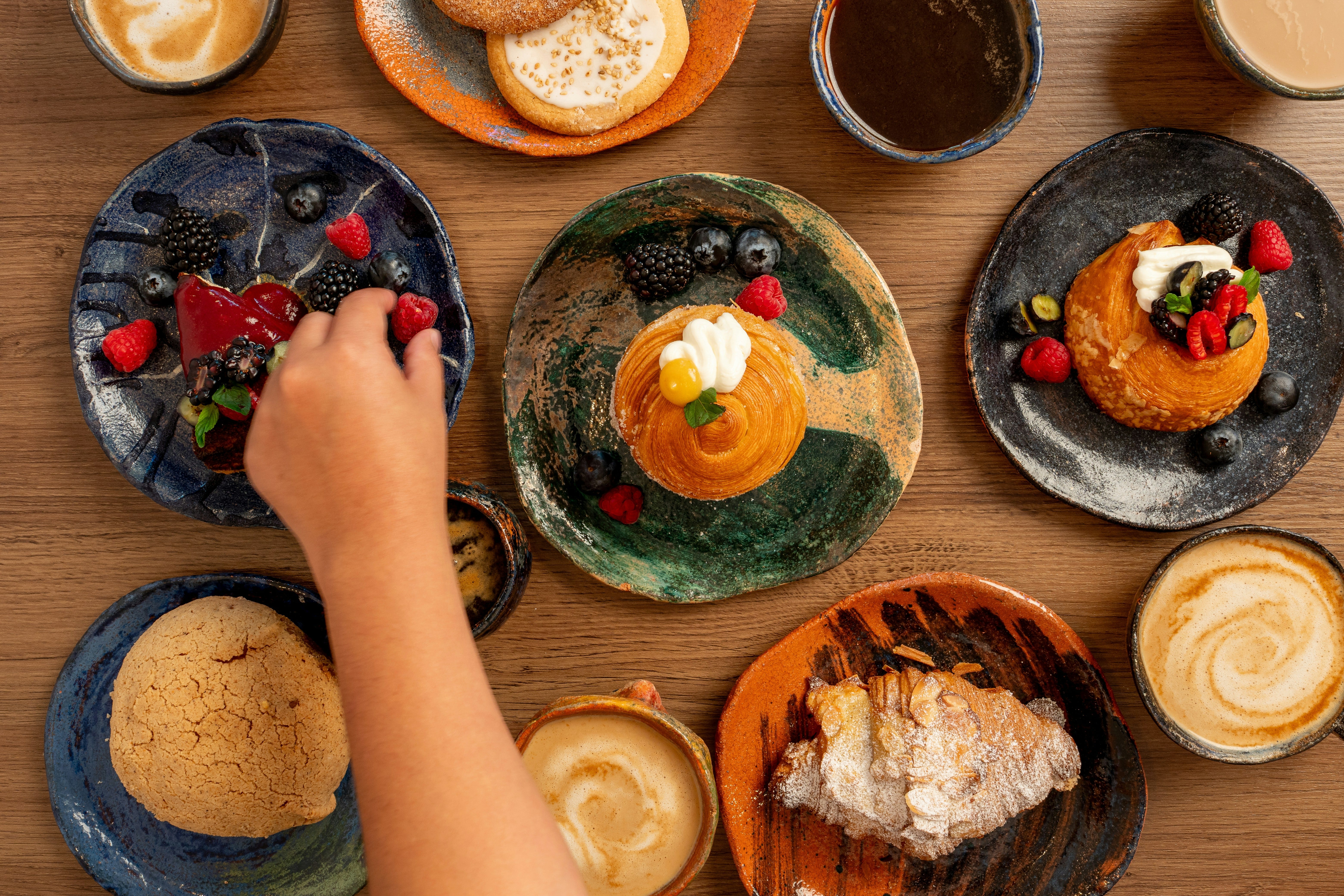
The traditional gôuter? A chunk of baguette with a few squares of chocolate tucked inside. Sometimes a madeleine. Sometimes compote. Always just enough. Never too much.
We’ve made our own modifications, because, well…#americans. We try to skip the sugar bomb and offer something a little more protein-based. But the ritual remains: the school day ends, and something small is served to tide them over until dinner. No snacks before. No snacks after. Just the gôuter.
Breaking Up with the Snack Bag
I wasn’t always like this. Back in Los Angeles, I never left the house without a full zippered pouch of portable food. I had snack boxes, emergency cashew bags, pouches of applesauce, and mini ice chests for car rides under thirty minutes. I considered this responsible parenting. I was keeping everyone alive, nourished, and meltdown-free.
In fact, during those toddler years, I used to jokingly (and lovingly) refer to myself as The Snack B*tch. It felt like a full-time job. Going anywhere without an arsenal of snacks was practically negligence.
But something funny happened when we moved here. Without really noticing it, my children adjusted. They learned to wait a little longer. They ate with true hunger, and they appreciated what was on the plate.
And maybe more importantly, my husband and I relaxed. We stopped constantly anticipating the next moment of need, the next blood sugar crash. We began to trust the structure, the rhythm of the day, and the sturdiness of their bodies to carry them through.
Why It Matters
To snack is to self-soothe. It’s often about convenience, comfort, or distraction. But in France, food is not utilitarian. It’s not just fuel. It is, at its best, an experience. And so it is treated with care. Even in a country full of working parents and school obligations, the ritual of the meal holds its place.
The result? Fewer snacks. Smaller portions. Lower obesity. Less stress. More enjoyment.
We didn’t come to France to become French. But in small, subtle ways, we are shifting. We eat together. We light the candles. And when someone says, “I’m hungry,” it’s not an emergency. It’s just time to set the table.
And yes, I still carry snacks. I’m just no longer their personal butler.
À bientôt,
Kamille
A note for new readers: we’re an American family living in rural France, restoring a small château, and writing it all down here.
Paid subscribers get Castle Diaries: the chateau renovation journal, written in real time.
What a great read, Kamille! I love the change in pace you present here. I feel like I am there, figuring it out with you.
This is really interesting! I did hear from a friend how her children are given dark chocolate at school here, but I hadn't heard about the no snacking thing. It makes sense! It's such a thing in the US (with grocery and convenience stores packed with so many different kinds of snacks). I do appreciate how the French seem to have a much healthier relationship with food all around, on many levels.