


We are in the middle of les vacances de la Toussaint here in France, which means the kids are home for two weeks, the first fires are lit, and there are pumpkins in this house waiting to be carved.
In about ten days, we will celebrate Halloween the way Americans do, carving pumpkins and decorating the château with an enthusiasm that our French neighbors will likely observe with polite curiosity.
And on the 1st, many families here, especially older ones, will visit the cemetery with flowers. Drive past any village cemetery that week and you’ll likely see it covered in chrysanthemums.
I didn’t realize at first that these two things are connected. “Halloween” comes from All Hallows’ Eve, the evening before All Saints’ Day (“hallows” is an old word for saints), which in France is called la Toussaint.
If you’re new here, hello! I’m Kamille. We’re an American family who moved to rural France and then, against all reasonable advice, bought a small château. The essays here are free, and I’d love to have you along.
Halloween, with a pinch of salt
When we lived in Los Angeles, October at our local Whole Foods meant a full pumpkin lineup outside the door. Carving pumpkins, mini pumpkins, warty ones, pale ones, and the big flat fairytale pumpkins, all arranged so you could build a Pinterest porch or an Instagram-ready fall table in a single trip. When we went back for a visit last October, the inside was even more committed: pumpkin-flavored everything, including several things I’m still not convinced should contain pumpkin.


In France, Halloween is a ‘pinch.’ A few pumpkins appear in the shops. A paper bat or two shows up in a bakery window. In towns, some children go door to door saying “Des bonbons ou un sort!” (candy or a curse, which is a slightly more ominous translation of trick-or-treat than I’d expected). But there are no 12-foot skeletons in the front gardens, and nobody’s porch looks like a Disney haunted house.
Halloween is a fairly recent import here. It arrived in a big commercial rush at the end of the 1990s, helped along by brands like France Télécom (which released a Halloween-themed phone called, yes I promise you, the Olaween). Then the enthusiasm cooled, and it settled into what it is now: something for children, mostly, done in moderation and regarded by most adults as a commercial holiday.
Our first October here, I unpacked three large boxes of Halloween decorations I’d shipped across an ocean and discovered we were pretty much the only house in the village using them. I have made my peace with this. Every family needs a thing, and this one is ours I suppose.
“Well,” he said. “There are many.”
In our first fall here, we asked a French friend what the word for pumpkin was.
“Well,” he said. “There are many.”
There’s the citrouille, the bright orange Halloween one, with a hard, ridged stem and stringy flesh. It’s the one you carve. There’s the potiron, rounder and flatter, with a soft, spongy stem, which goes into soup. There’s the potimarron, small and red-orange, which tastes faintly of chestnut and might be the most useful vegetable in a French October. And then there’s courge, the umbrella word that covers all of them, plus anything else vaguely squash-shaped.
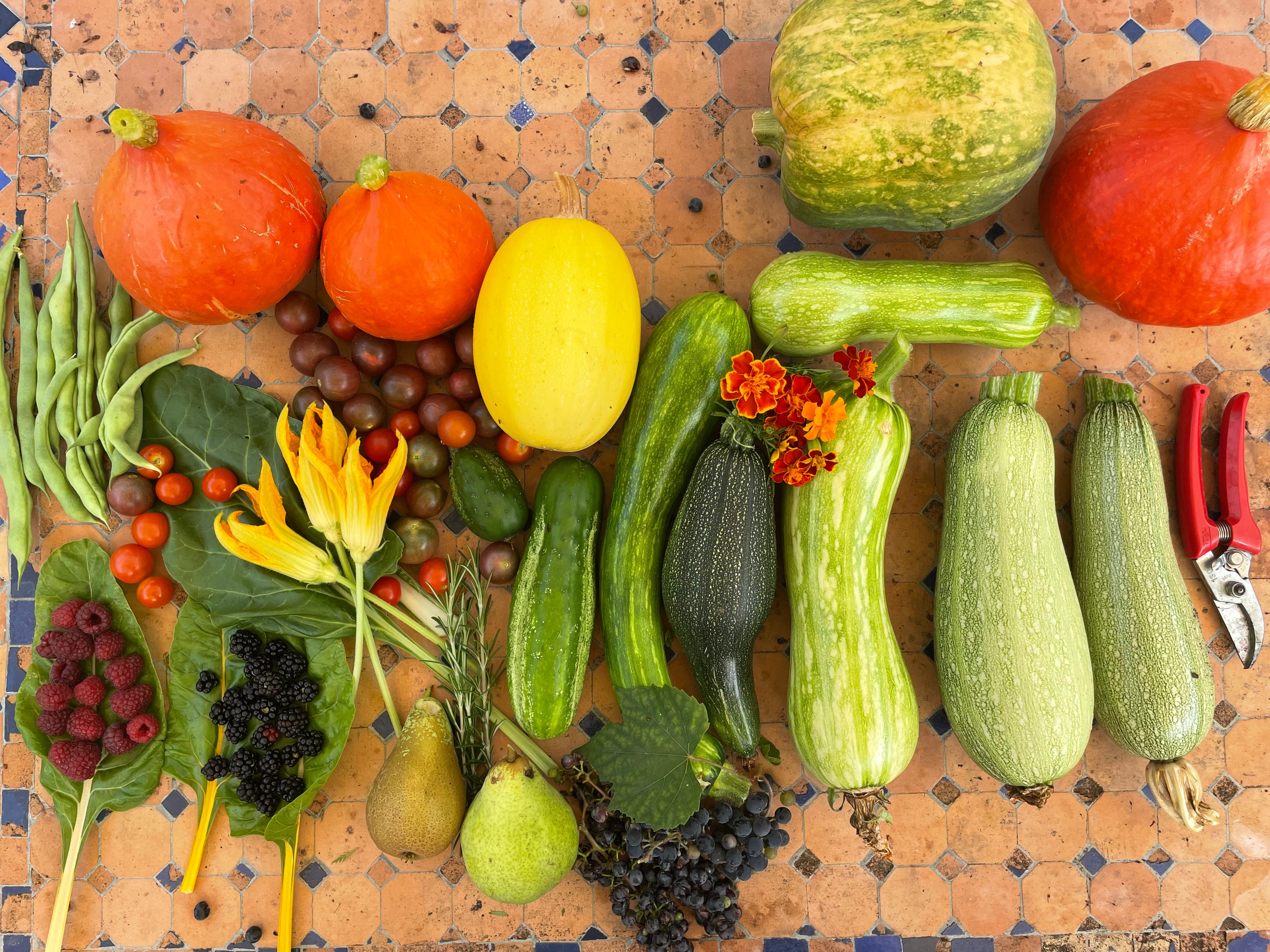
The thing to understand is that in France, pumpkin is a vegetable. It goes in soup. You won’t find it in your coffee, and you can’t buy canned pumpkin purée at all. When we want to bake anything pumpkin, my sister-in-law tucks a few cans into her suitcase on her visits, which is the most American act of love I know.
Some of the fanciest pumpkins in that Whole Foods display were French heirloom varieties all along. The tan, deeply ribbed fairytale ones are Musquée de Provence. The red Cinderella ones are Rouge vif d’Étampes (which makes sense, really, since Cinderella is French, too). It was a Frenchman, Charles Perrault, who first turned a pumpkin into a carriage, back in 1697 (in his version, it’s a citrouille.)
The French have been doing magic with pumpkins for a very long time. They just usually turn them into soup.
We’re carving, crafting and decorating the château for Halloween all week. Next week, I’m sharing all of it in Castle Diaries, my behind-the-scenes journal for Supporting Members, along with our Halloween episode on YouTube. Become a Supporting Member and it lands straight in your inbox.
November 1st: the flowers you never bring to dinner
La Toussaint, or ‘All Saints’ Day,’ falls on November 1st, and it’s a national public holiday here. Banks and many shops close, and families travel to visit the graves of the people they’ve lost.
Technically, the day for remembering the dead is November 2nd, le jour des morts. But since the 1st is the day off, that’s when most families go. In the days around it, cemeteries all over France fill up with flowers, and almost all of them are chrysanthemums.
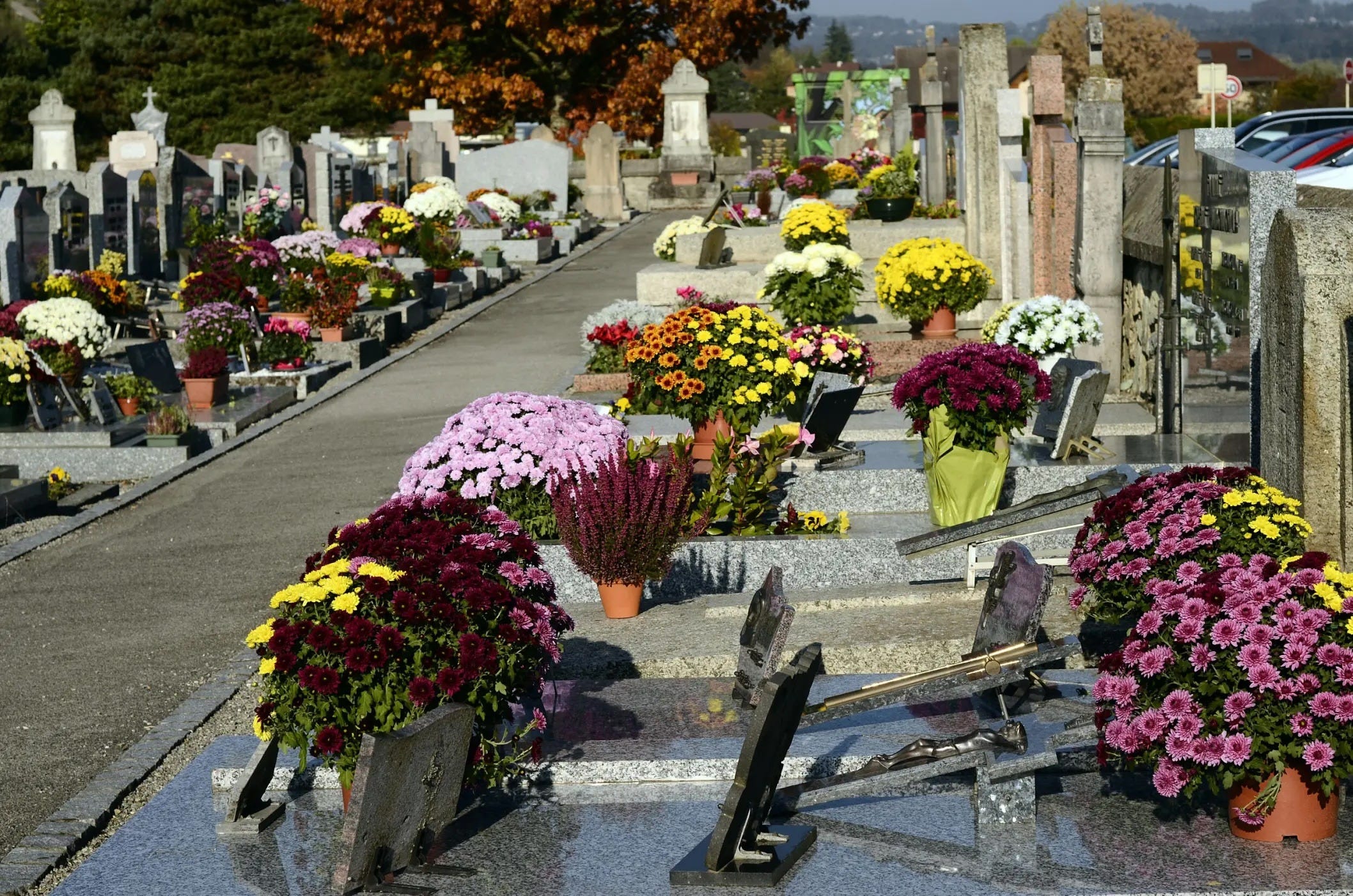
There’s a practical reason for this. Chrysanthemums are one of the few flowers still blooming in November, and they hold up in the cold. After the First World War, they covered the graves of millions of soldiers, and the connection stuck. By November 1919, Le Monde (the biggest newspaper here) was describing tombstones “wearing a white chrysanthemum.”
The result is that in France, chrysanthemums are associated with one thing - the dead. If you take away only one useful fact from this essay, let it be this one: never bring chrysanthemums to a French dinner party. As far as your hostess is concerned, you’ve arrived with a funeral arrangement, and she will spend the evening wondering who died.
The tradition is fading a little. Fewer families make the cemetery trip every year than used to, and the people buying the pots of chrysanthemums skew older. But drive past any village cemetery in the first days of November and you’ll still see it: rows and rows of graves in gold and deep red, the brightest place in town.
So on the night of October 31st, there are costumes and candy. On the morning of the 1st, there are flowers on the graves. Two holidays a few hours apart, both about the dead, one with sweets and one with flowers.
Les vacances de la Toussaint
We moved to France in August of 2023. Our kids started French school the very next month in September, and then, just as everyone was finding their rhythm, the school closed for two weeks. Nobody had warned us about this. In California, the first real break of the year came at Thanksgiving, and it was essentially a long weekend.
It turns out the French school year runs on a rhythm of roughly six or seven weeks of school followed by two weeks off, all year long. The Toussaint break was stretched to a full two weeks in 2012, partly to even out that rhythm. This year it runs from October 17th to November 2nd, and it’s the same dates across the whole country.
Now, this isn’t necessarily ideal for every family. If both parents work outside the home, two weeks off every couple of months means a lot of childcare to arrange. But for many families here, this is grandparent time. Kids go to stay with their grandparents for a week, or the grandparents come to them, and it’s built into the rhythm of the year so completely that nobody has to scramble for it.
For our family, it has become one of my favorite things about living here.
Six or seven weeks is about as long as anyone can go at full speed. The breaks arrive just as the kids are getting tired, and as we are, too. They give everyone time to absorb everything that just happened, and to sleep in, before going back. It even gives us a two-week break from virus exposure! The kids return to school rested and ready. And usually, so do the parents.
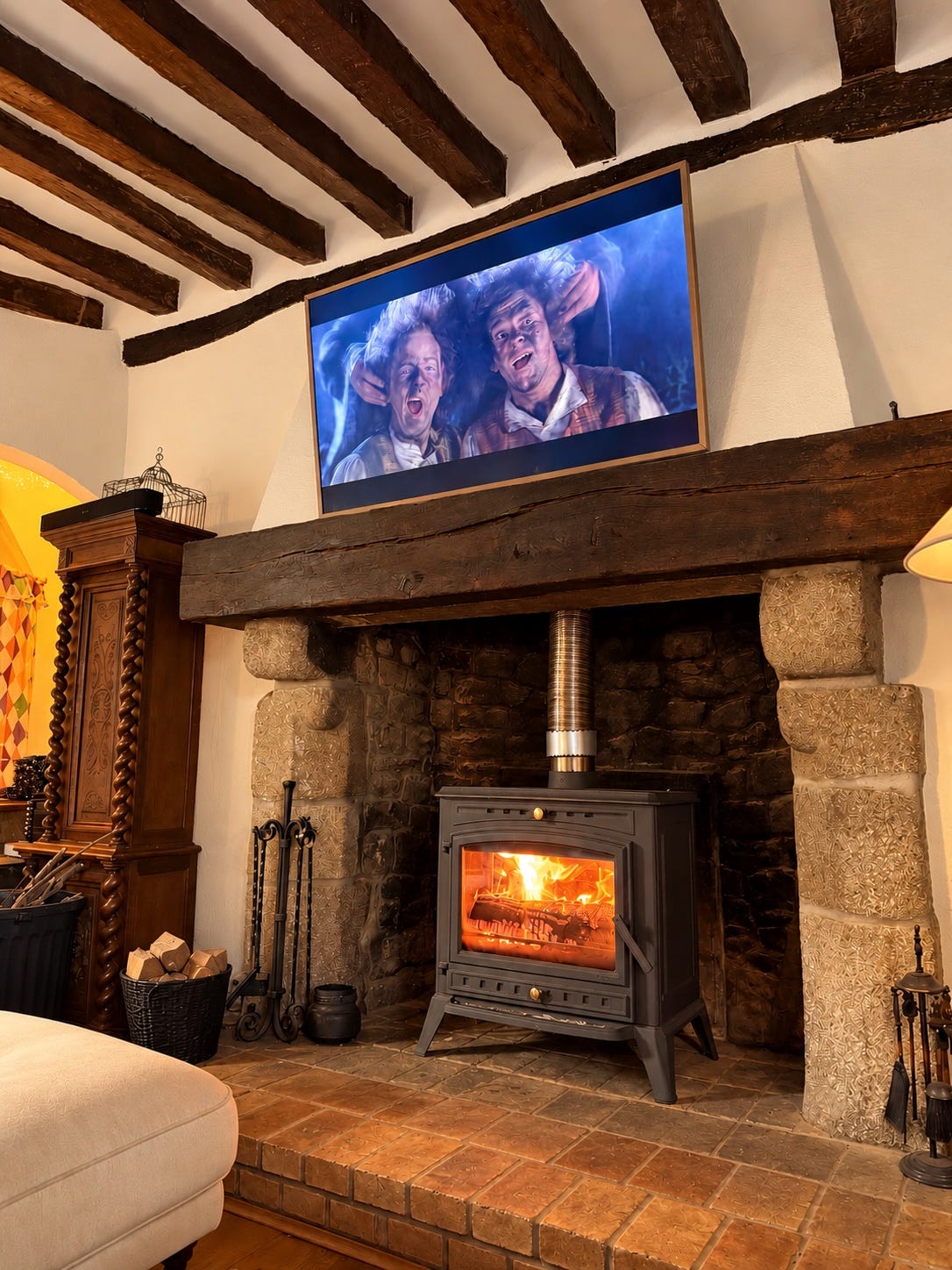
And this one, the Toussaint break, might be the loveliest of the year. It’s the start of fall and the start of cozy season, and it feels like the whole country is settling into it together: the first fires, the soups, the markets full of squash. Everyone slows down at the same time.
If you’re visiting or moving to France in late October
A few things worth knowing:
November 1st is a public holiday. Banks and many shops will be closed, and some restaurants too. Plan your groceries accordingly.
The Toussaint school break means busier trains and roads, especially on the first and last weekends. Book early if you’re traveling, and expect family-friendly destinations to be full.
Never give chrysanthemums as a gift. Not to a host, not to a friend, not to anyone who is alive.
Buy the right pumpkin. A citrouille for carving, a potiron or potimarron for cooking. If you want to carve, buy early, because they’re not everywhere.
If you live in a village, keep a few sweets by the door on the 31st. Not every child trick-or-treats here, but some do, and you don’t want to be caught empty-handed by a small vampire.
What we’re doing this year
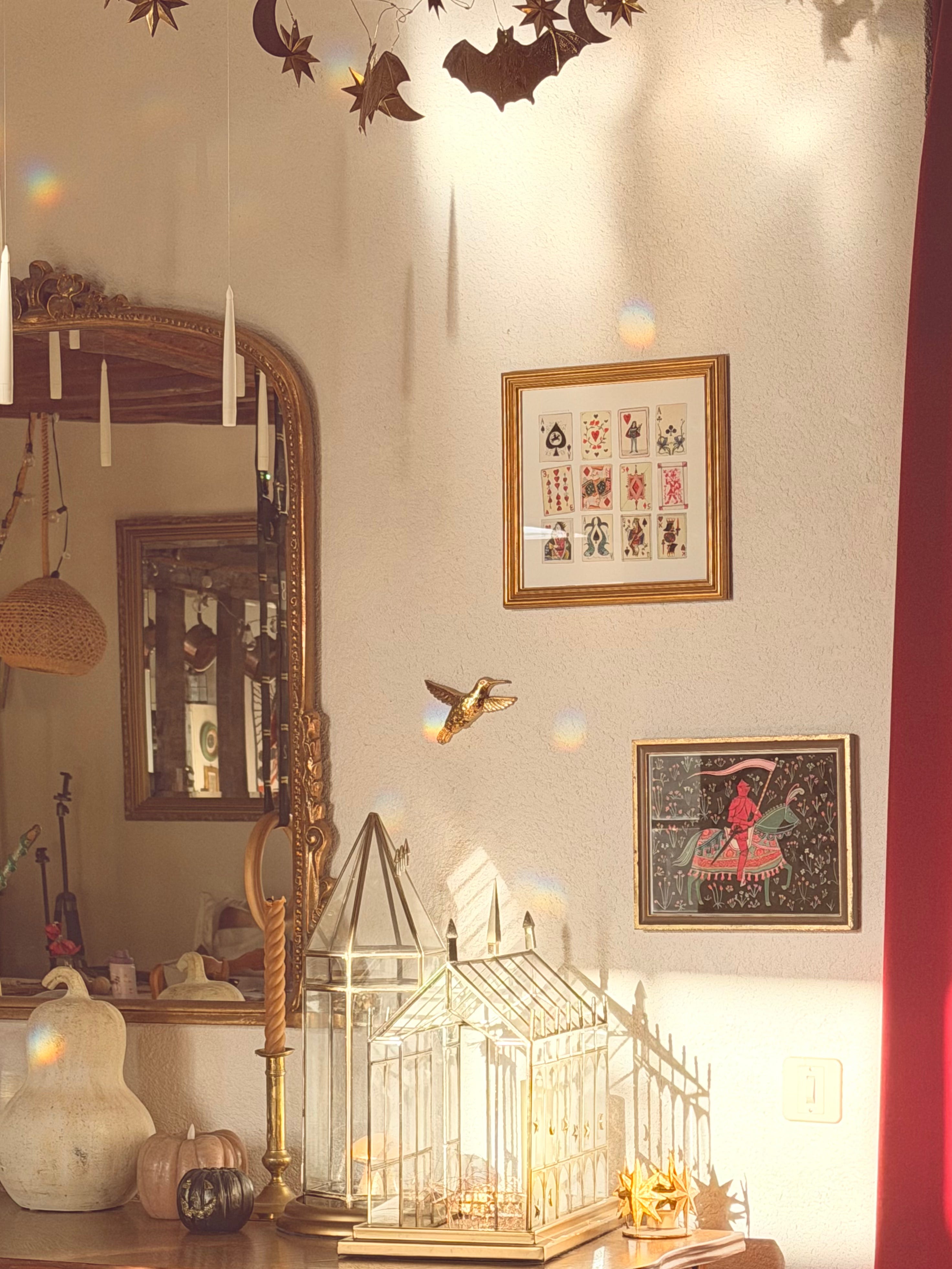
This year is our first Halloween at the château. Given that Halloween only really arrived in France in the late 1990s, and the previous owners only ever came in summer, it may well be the château’s first Halloween ever.
After more than three centuries, it’s about to meet its first jack-o’-lantern.
À bientôt,
Kamille
If you enjoyed this, follow along. My essays about life in France are free, always, and land in your inbox twice a month.
And if you’d like to come inside the château, Castle Diaries is where I share the renovation as it happens: the rooms, the real costs, the decisions and the occasional disaster. Next up, later this week: Halloween at the château. Supporting Members get every chapter, twice a month, straight to their inbox.
One thing I thought I disliked about foreign countries is that they try to be like Americans. Never have I found it so frustrating to travel to the Coliseum in Rome and then to turn a corner and discover a McDonald’s in the plaza around the corner. Perhaps this is hypocrisy because various and assorted places in America have almost ever other nationalities on streets, in similar architecture, foods etc.
I think it is good to continue your American holidays in France. I enjoy the pumpkins and the holiday although besides passing candy out we as a family don’t observe it. Although I used to stay up all night as a child watching horror movies on Halloween! I enjoy a good scary movie!
What made you decide to move to Europe and France specifically? Do you live there full- time?
Are you fluent in the French language?
I enjoy reading about the differences in cultures. Thank you for sharing your pointers. I hope you continue to enjoy living in France. It seems like a quaint place. C’est la vie!
It is basically either the flower of death or the Emperor flower. You don't want to upset either. Flowers have so many meanings. I understand the US, so many immigrants; lets make it the party of death. And of poverty, because you give to the poor. I remember a colleague asking me to come to the cemetery. In Asia and South America one puts little candles on the memorial of a loved one around that time. It was lovely to see all the flickering lights in the dark. Seen as the portal to the other world and the lights to guide them. You give one flower, not a whole bouquet. I usually did it all wrong. Oh well.🙄