


There’s a distinction nobody warned me about before we moved here, and it took about six months of living in France to notice it, and another six to understand why it mattered.
America, in my experience, is nice. Aggressively, exhaustingly nice. “Love your dress!” “We should totally get together soon!” “Oh my gosh, your house is amazing.” The social currency of niceness is abundant and widely circulated, and most of it costs nothing and means approximately nothing, and everyone knows this, and we all participate anyway because the alternative is standing in awkward silence at a party, and we’d rather die.
France is not nice.
France will let you walk around with spinach in your teeth. Except, no, wait. That’s exactly wrong. France is the one that tells you about the spinach.
That’s the distinction. Nice is staying quiet so nobody feels uncomfortable, while kind is saying the thing, because the person deserves to know.
I didn’t fully understand this until France showed me what the other option looks like.
Before any of that, though, there was the avocado.
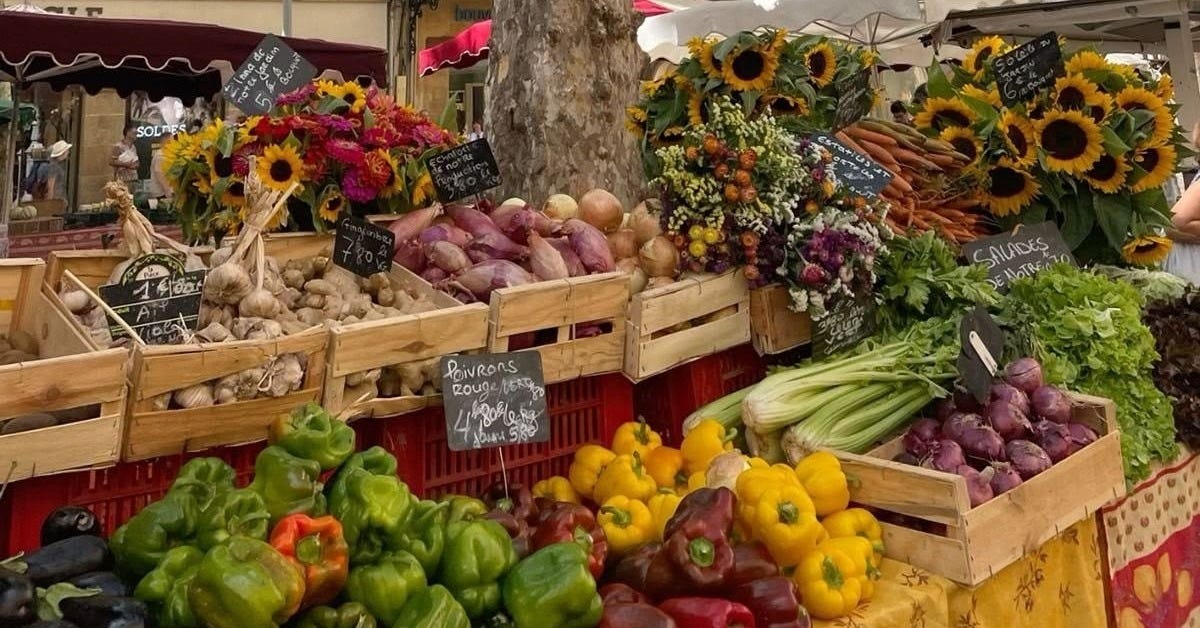
A few months after we moved here, I was at the weekly outdoor market, doing what I had done in every Whole Foods produce section for the previous decade: gently squeezing an avocado to see if it was ready. A man working the stand crossed the entire distance between us in approximately two seconds.
“Madame,” he said. “Non. S’il vous plaît.“
My French at the time was the kind of French that could understand a stern correction faster than it could understand anything else. I froze, mortified, with the avocado still in my hand.
“Ne touchez pas les avocats. Si tout le monde les touche, ils vont tous pourrir.“ Don’t touch the avocados. If everyone touches them, they all go bad.
I thought: how rude.
I was, briefly, the American who had decided the French market vendor was being unnecessarily aggressive about a piece of fruit. I put the avocado back. I considered leaving. I started workshopping the story I’d tell about this later.
Then he said, more gently: “Madame, c’est pour quand, l’avocat? Aujourd’hui? Demain? Le week-end? Je vais vous donner le bon.“
When would you like to eat it? Today? Tomorrow? This weekend? I will give you the correct one.
I stood there for a moment.
He was, of course, right. The system in front of me was better than the system I had brought with me. He knew his avocados. He had been ripening them for a living for probably longer than I’d been alive. And his logic was actually unanswerable: if every person who walked into the market that day squeezed every avocado looking for the ripe one, every avocado would arrive at its eventual buyer bruised, half-handled, and carrying the fingerprints of a dozen strangers. The American produce-paw is not a quality-control method. It’s just a slow communal degradation of food, performed with great confidence.
He, on the other hand, had a system. He asked when I wanted to eat the avocado, and he gave me the avocado for that day.
It was perfect.
I told Sean I had been corrected at the market and that the correction had been deserved. He said he was sure that would never happen to him.
A few weeks later, Sean was at the grocery store buying honey.
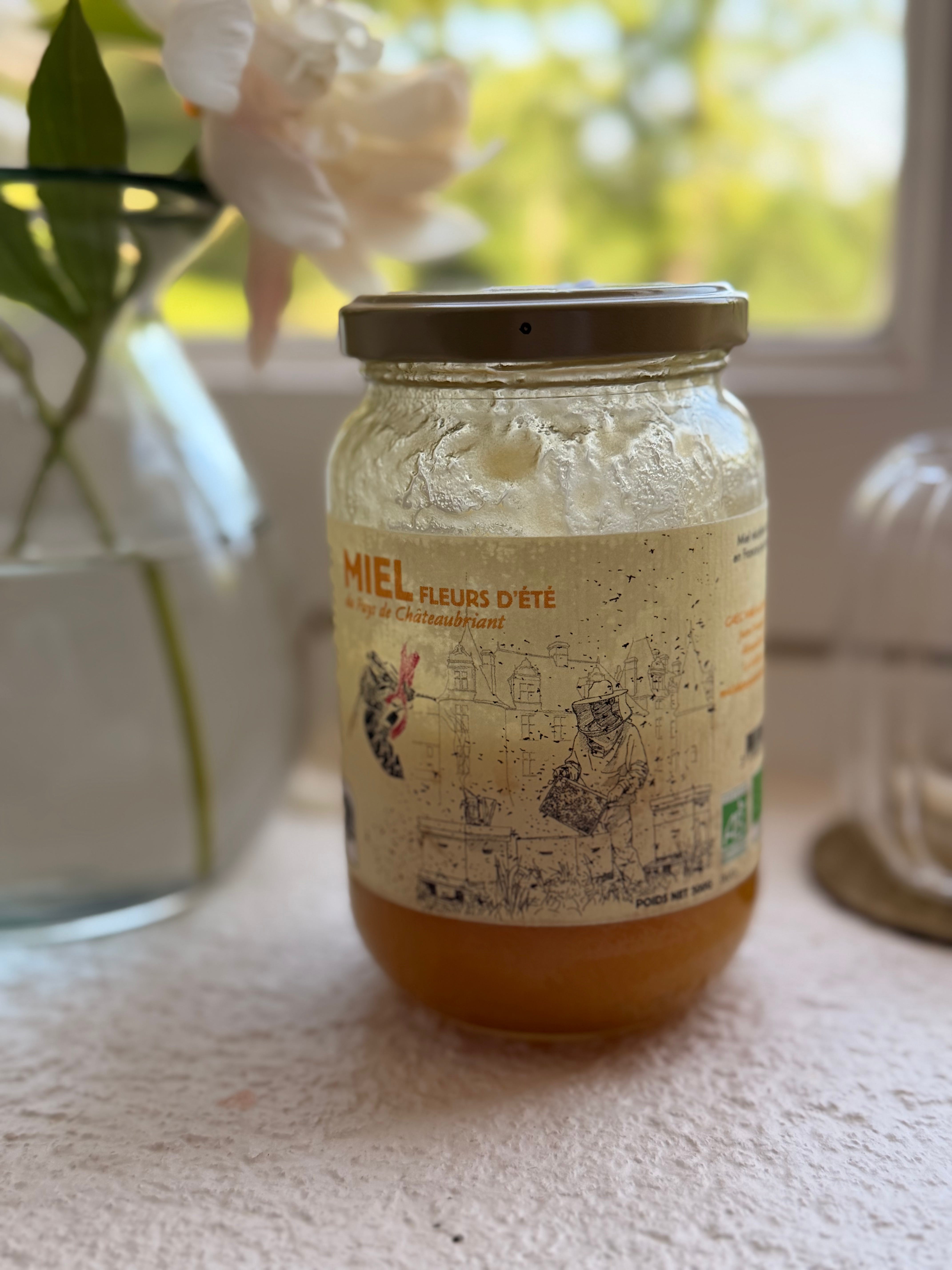
He was in line at the checkout, holding a jar of perfectly reasonable organic (bio) honey, when an older woman behind him looked at it, looked at him, and said: “Oh, non. Vous ne devriez pas acheter ce miel.“
Sean, who had not asked for an opinion on his honey, blinked.
“That’s not the local honey,” she continued, in the tone of someone correcting a small but important error. “The best honey is over there.” She pointed. Then, before he could respond, she reached out, took him gently by the arm, and said: “Venez. Je vais vous montrer.“ Come. I will show you.
She took him out of line and walked him across the grocery store. To a different aisle. She located the correct honey. She handed it to him. And then, because she had his attention now, she told him about the man who made it. Where he lived. The village. How long he’d been keeping bees. The fact that he loved his bees, which she said with the seriousness of someone reporting a medical diagnosis. She did not know Sean. But she had decided, on the basis of approximately four seconds of observing a stranger’s honey selection, that this required intervention.
Sean came home with the correct honey and a slightly stunned expression.
In America, a stranger commenting on your grocery cart is grounds for calling a manager. In France, it’s a public service. She wasn’t being nice. Nice would have been letting him buy the wrong honey and saying nothing, sparing them both the awkwardness. She was being kind. Sean was about to walk out of a French supermarket with subpar honey, and she had the information that could prevent it, and she gave it to him with both hands. Possibly literally.
That was strangers.
Then there were the people who actually knew us.
Below, paid subscribers get the rest of this essay — the lunch invitation that turned into a Christmas in Paris itinerary, the friend who showed up with a translator the day our son got sick, the QR code I scanned at my kitchen table that made me cry, the teacher who texted us photos every day for weeks, and a running list of things French strangers have told us, unsolicited and correctly, that we have not yet had room to share.
If you’re new to Once Upon a Castle, paid subscribers get six posts a month: two more essays like this one, two château renovation diary entries from inside the walls, and access to everything in the archive. Come stay a while.
