


The question we get more than almost any other, usually in the comments, sometimes in an inquisitive DM, is some version of: okay but is it actually cheaper to live there?
And I understand the question, because I asked it too, quite obsessively, for about a year before we moved. I had spreadsheets. I had tabs open comparing the prices of butter, gas, and housing. (The butter situation alone could be its own post, but I’ll spare you.) I wanted someone to just tell me the number, similar to the way you want a doctor to give you a diagnosis instead of “let’s run some tests.”
Here’s the honest answer, the one nobody gave me, and the one I’ve now lived inside for long enough to trust: it depends entirely on what you’re buying.
New here? I'm an American raising two kids and restoring a 17th-century château in rural France with my husband, and I write about all of it, the magic, the math, and the mud. Subscribe free and come along.
Because France will silently bankrupt you on some things and then hand you others, the big things, the things that actually shape a life, for a fraction of what they’d cost back home in the U.S. And once you understand which bucket is which, the whole picture flips.
Let me show you what I mean. We’ll start with the part nobody warns you about, which made me slightly cranky for the first six months.
The Small Things Will Get You
Stuff is expensive here. Things. Objects.
If you want to order something off the internet - a lamp, a standing mixer, a Dyson vacuum - you will pay for it, and then you will pay again. France has real import duties and shipping costs that make the casual Amazon-it-by-Tuesday lifestyle expensive and, frankly, a little embarrassing. The thing arrives, you do the mental currency conversion, and you feel like a person who has made a poor decision.
In Los Angeles, I could fill a cart with eleven things I didn’t need at 11pm and have them at my doorstep before I’d had a chance to regret it. Here, that same impulse comes with a tax (a literal one), plus a shipping fee that sometimes costs more than the item. Furniture shipped in, electronics, the random household whatever, a lot of it runs higher than the American equivalent.
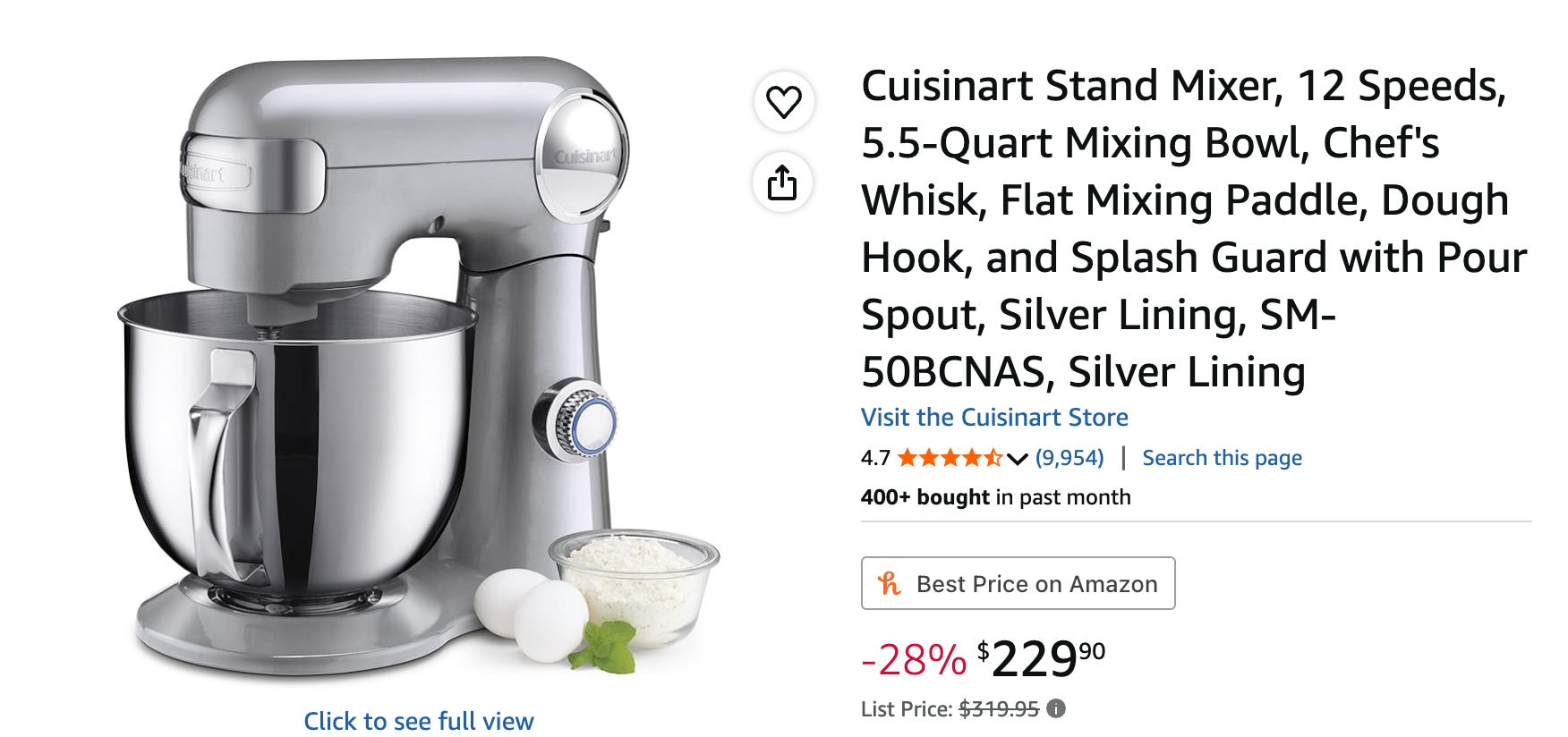
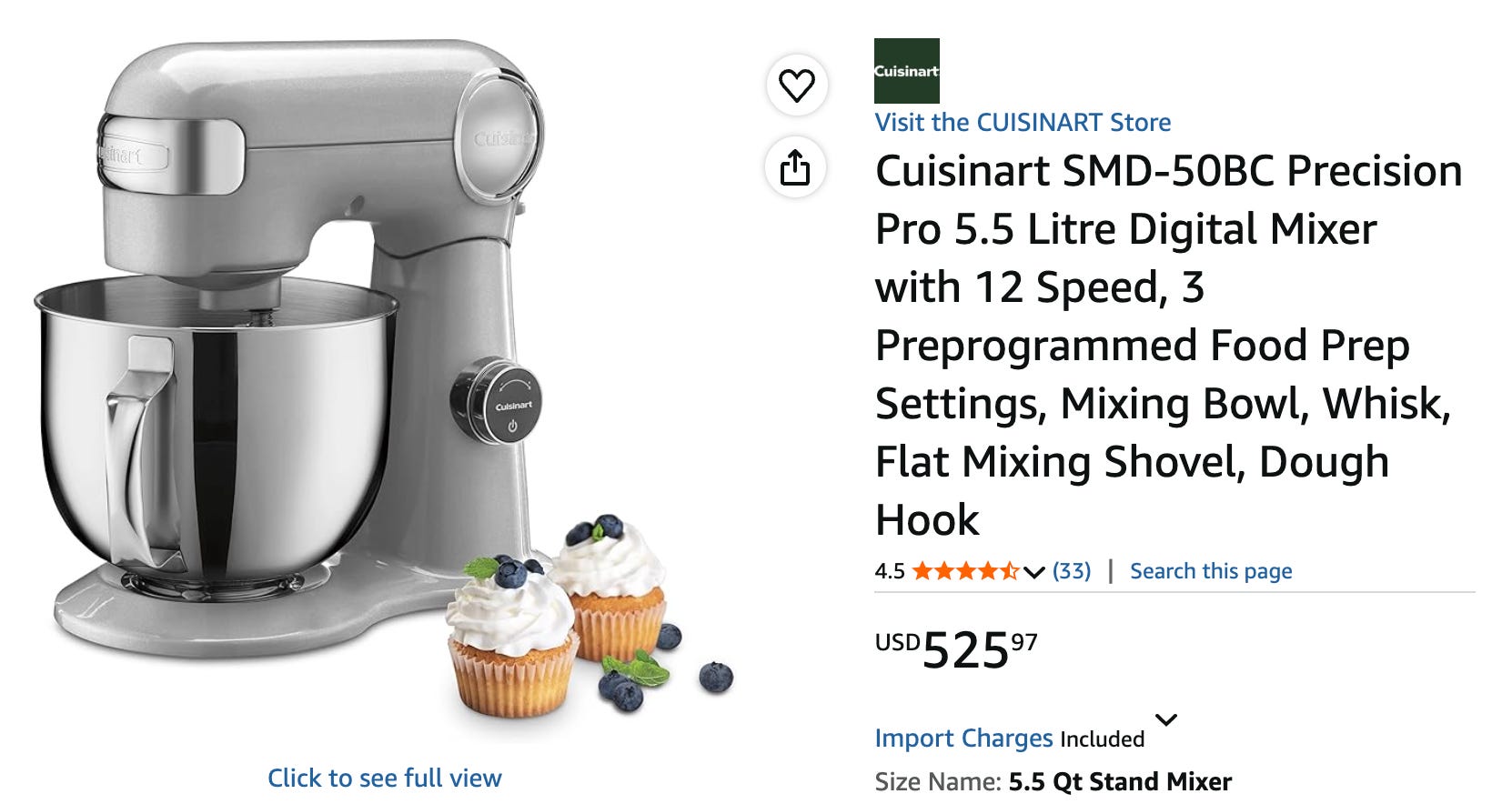
And it isn’t only objects. Gas will make your eyes water, priced by the liter (which softens the blow right up until you do the math and realize you’re paying close to double what you did in the States). The autoroutes come with tolls that really stack up over a long drive. Driving here is not the cheap part.
But you also don’t have to drive nearly as much, because the trains actually work. They’re fast, clean (enough), frequent, and they go everywhere, big cities a couple of hours apart, tiny villages on a sleepy regional line, the whole country stitched together by rail. The thing America typically priced as either a luxury or an impossibility is, here, just the slightly boring way everyone gets around.
For about a month I had minor tantrums about the prices of the things. And then I started to suspect it might be doing me a favor.
Because the friction can actually be helpful. The system is gently, bureaucratically discouraging me from buying eleven things I don’t need at 11pm, and it turns out I don’t actually miss the eleven things. (Well, most of them.)
But then there’s the part that makes even the things bucket more complicated than “France is pricier,” and it’s the part the spreadsheet version of me never accounted for.
Unless You Buy Them the French Way
France solved the expensive-objects problem about two hundred years ago, and the solution is that the entire country is one enormous, rotating, gorgeous secondhand sale.
The brocantes. The vide-greniers (literally “empty-the-attics,” which is the most charming possible name for a yard sale and tells you everything about how the French feel about clutter). Nearly every weekend, in nearly every region, people lay out the contents of their grandmother’s house on folding tables in a field, or in front of the village church or castle, and you walk through it with a coffee, and you buy a hand-blown glass decanter for the price of a sandwich.


I once wrote about a chair. A beautiful, curved, vintage rush-seat chair I’d been admiring on the website of a very tasteful Los Angeles site selling French treasures, where it was listed at nearly $300. Months later, at a brocante forty minutes from our house here in France, I found a set of four of its nearly identical French cousins, propped around an old French table.
They were €25. For all four of them.
Sean carried them to the car with the rare smugness of a man whose wife had, for once, come home with a bargain. I let him revel in the smugness.
So the small-things bucket is real, but it has an escape hatch, and the escape hatch is more beautiful than the thing you were going to buy new. You just have to be willing to dig, to spend a little more time, to travel a bit, and to drive home with someone’s deceased grandmother’s chairs strapped to the roof.
Now. The big things. This is where it stops being close.
This is where I open the books. Everything below, the $6,000 question, the school that costs less than a dinner out, the house that changed our lives, is for paid subscribers. If you've been curious what this life actually costs, this is the post that answers it. Upgrade to read the rest, and to get every Castle Diaries and the deeper essays I keep behind the curtain.
