


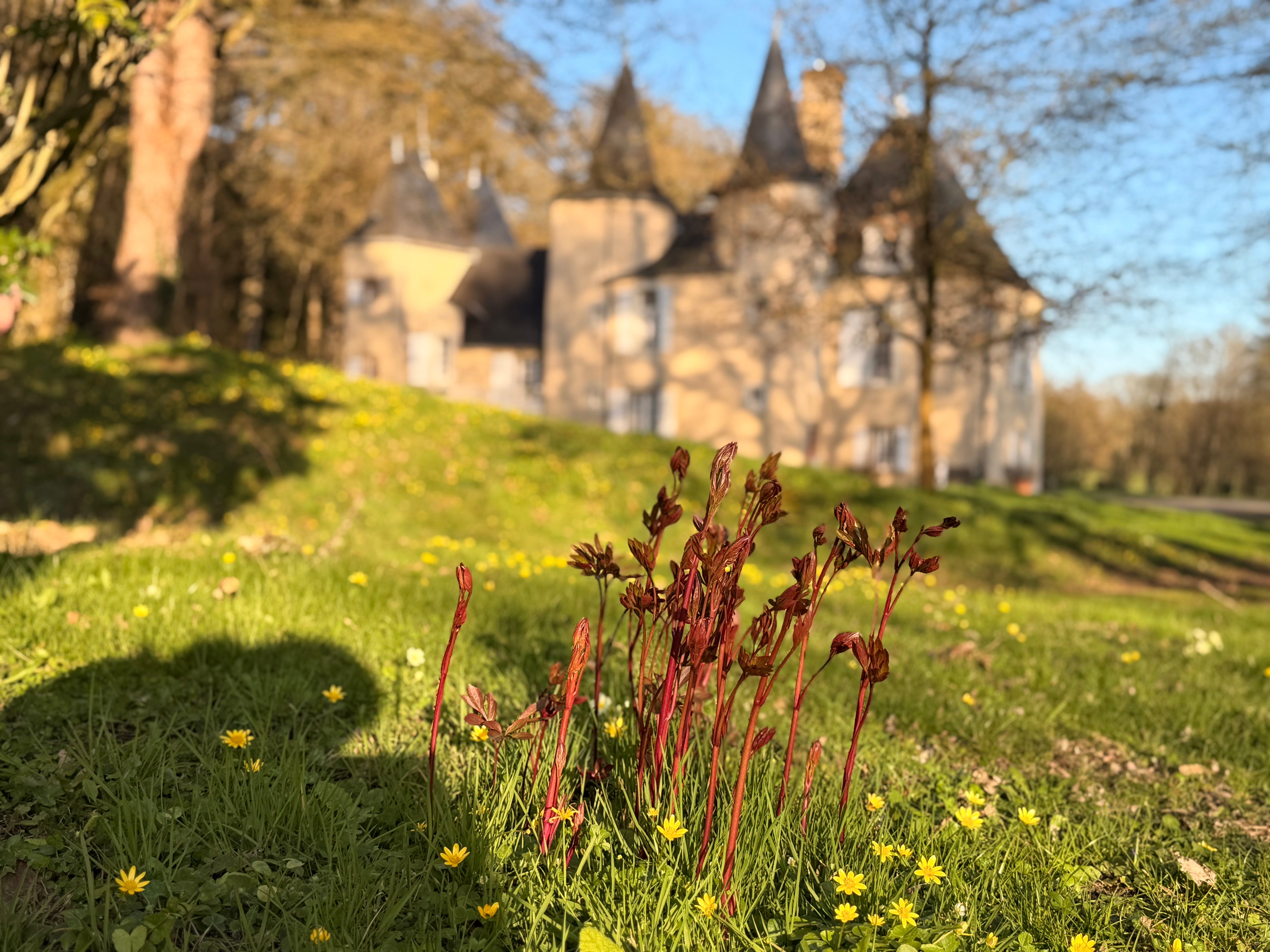
Here’s the unglamorous truth: big properties don’t need more ideas. They need sequencing.
This is our working garden plan: the zones, the order of operations, what’s already planted, what we’re doing next, and how we’re avoiding the classic mistake of building a beautiful dream directly on top of future plumbing.
1) The garden brief (what the garden needs to do)
We’re not designing a show garden. We’re designing a family garden that can carry a lot of life.
Here’s what it has to do for us:
It must feel beautiful in winter, not only in June.
It must have places where children can be children and play without caution.
It must become more abundant over time, not more complicated.
It must include food, not just flowers.
It must be legible. Meaning, it should feel like a series of places with purpose, not five acres of indecision (which is what it feels like currently).
And it must be buildable in phases, without needing a full-time Downton Abbey staff.
2) The constraints (the land’s non-negotiables)
These are the things we’re designing around, not against.
Winter reality: bare trees, damp ground, low light. We need structure and color that holds when everything else is asleep.
Slope: parts of the property have a pitched slope, which affects paths, drainage, and where “rooms” can realistically sit.
River: beautiful, but not neutral. We have to consider how it affects humidity, floods in winter, the plant choices, and a few spots where we want to linger and create little ‘viewing beaches’ (and perhaps kayak entry points).
Wind and exposure: we need sheltered moments, so we can still enjoy the outdoors even on mildly windy days
Time: trees, hedging, and slow gardens need a head start.
Budget: phased is the only sane route.
If you want the actual working file, here’s where it begins: our zones, sequence, and the first 90-day plan.
